

Food Delivery and Grocery Apps: How to Use Them Strategically Instead of Spending More Than You Planned
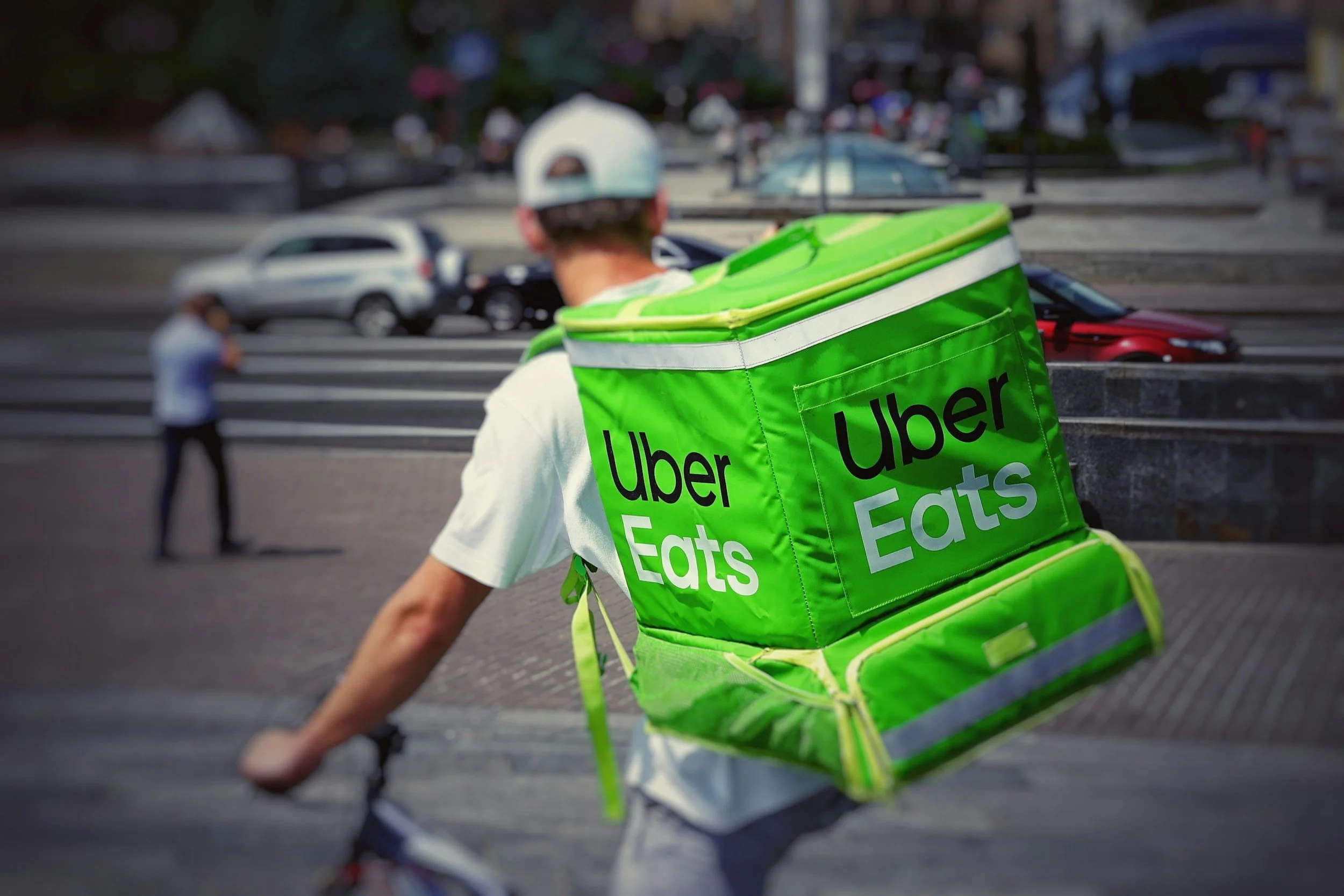
Food delivery and grocery shopping apps were designed to make life more convenient. And they succeed. What they also accomplish, in ways their design deliberately encourages, is getting people who use them without a strategy to consistently spend more than they would on the same products through other channels.

The Mechanisms That Lead to Overspending
Minimum order requirements for free delivery are one of the biggest drivers of increased spending. Someone who wants to order a $15 item but needs to reach a $35 minimum for free delivery has three options: pay the delivery fee, add products they didn't actually need to reach the minimum, or find the product through another channel.
The option of adding unnecessary products is the one apps make easiest, because the items suggested to reach the minimum are algorithmically selected to maximize the likelihood that they will be added to the cart.
Prices on delivery apps are also frequently 10% to 30% higher than prices in physical stores. That difference, combined with delivery fees and tips, can result in a significantly higher total cost per item
The Strategy That Gives You Convenience Without the Extra Cost
Use grocery store apps specifically for in-store pickup instead of delivery. Most major supermarkets have apps that allow customers to place orders online and pick them up at the store at no additional cost and, in many cases, at regular in-store prices rather than the inflated prices charged through delivery platforms.
That combination gives you the convenience of ordering from home without having to walk through the supermarket, while maintaining the price transparency of shopping in person.
For delivery orders you do choose to place, compare the total cost—including delivery fees, tips, and any price markups—with the cost of physically going to get the same items. That comparison often makes it clear whether the difference in price is actually worth the convenience in that particular situation.
Delivery Subscriptions: When They're Worth It—and When They're Not
Monthly subscriptions from major delivery platforms, which eliminate delivery fees in exchange for a fixed monthly payment, only produce real savings for people who order frequently enough for the waived delivery fees to exceed the cost of the subscription.
For someone who places three orders a month on a platform that charges $5 per delivery, a $10 monthly subscription saves $5 per month.
For someone who places only one order a month, the subscription costs more than the delivery fees it replaces.
Tracking how many orders you actually place each month on each specific platform is the only reliable way to determine whether a subscription makes financial sense for your household.
Make Delivery Its Own Budget Category
Households that manage delivery spending without giving it its own budget category often significantly underestimate how much they are actually spending.
Individual transactions may seem perfectly reasonable at the time, but they accumulate in ways that only become obvious when everything is added up at the end of the month.
Setting a specific monthly amount for delivery—whether for food or groceries—and treating it as a spending category with its own limit, rather than as an unlimited convenience, is one of the most effective ways to control this expense without eliminating the convenience altogether.