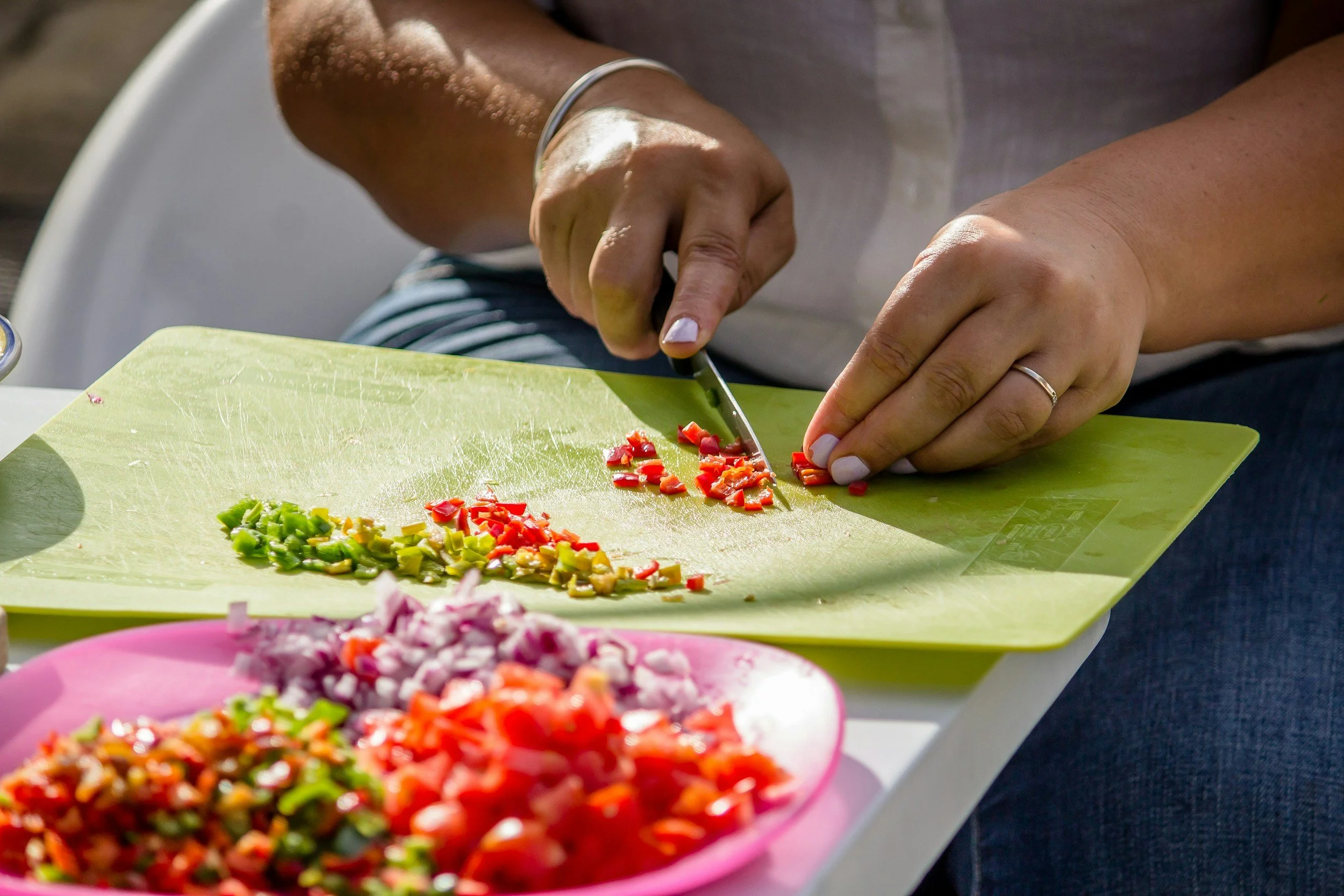

A stained notebook, a vague instruction, and that one ingredient that’s hard to find. Making a family recipe far from where we were born can also be a way of telling our story.
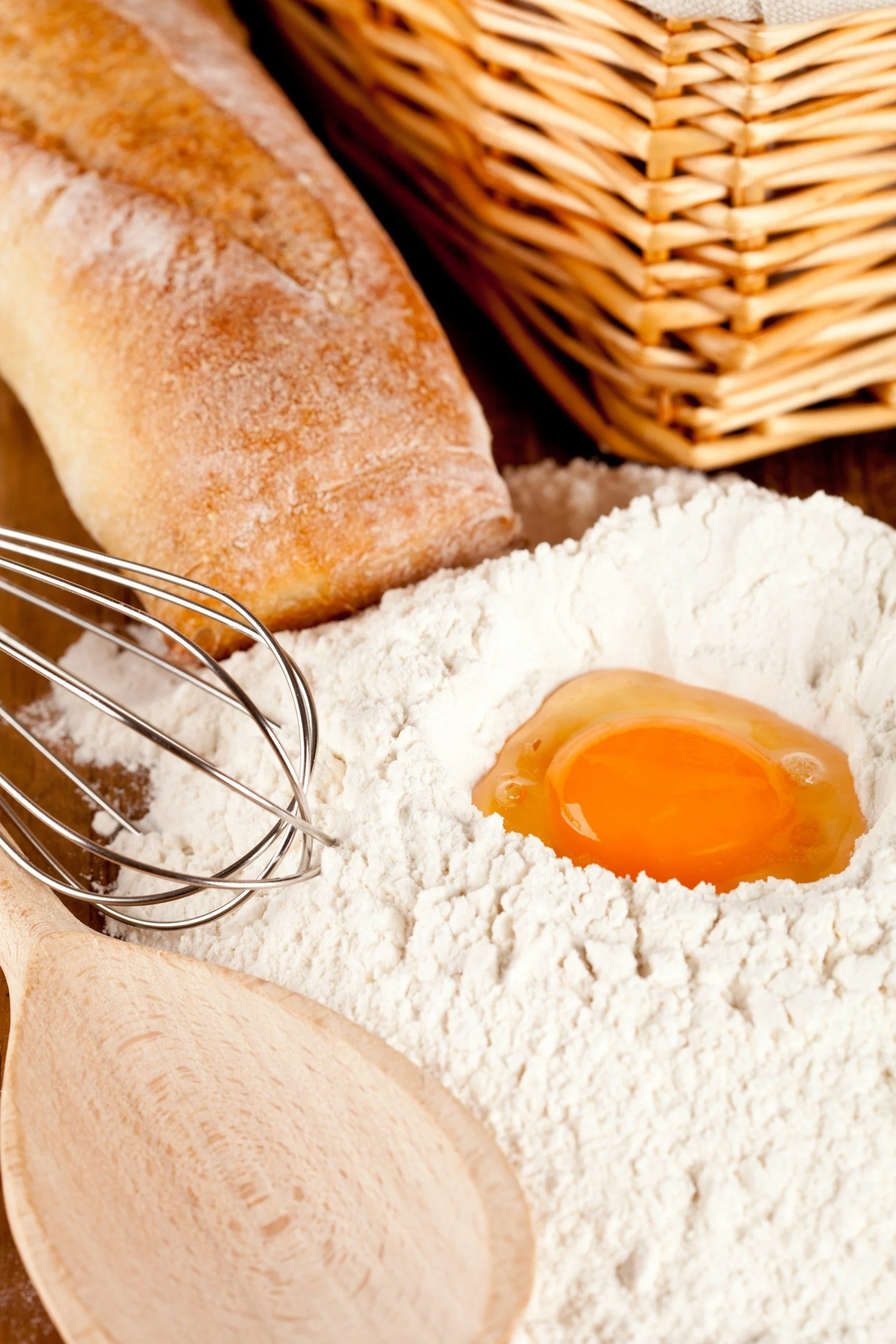
The recipe says “flour, as much as it takes.” It doesn’t say how much, or what texture to look for, or how to tell when the dough is ready. In your family, apparently, everyone knew how to interpret that instruction.
Until it’s your turn to cook it alone.
So you call, send a photo, or dig through old messages. On the other end, someone answers: “A little more.” And for a few minutes, the distance becomes a conversation about a dough that’s too wet.
In November, when the invitations and holiday plans begin, those recipes can resurface. Some arrive with enthusiasm; others, with nostalgia. All of them bring questions that go beyond the kitchen: What do we want to preserve? What are we changing? What part of our story would we like to share?
What a recipe leaves out
A list of ingredients rarely tells the whole story.
It doesn’t explain why a certain person made that dish on Sundays, who stood close by to taste the filling, or what argument always came up when it was time to serve.
Those details are part of the recipe, too.
If you can still talk to the person who taught you, take the chance to ask about more than quantities. Who did they learn it from? Did they always make it the same way? Was there a time when they had to substitute ingredients because money was tight?
Sometimes we discover that what we considered an unchanging tradition had already been through many adaptations. The version we remember was, in fact, someone’s creative solution.
Cooking with what’s available where you are
Moving can turn a simple shopping trip into a small investigation. The flour behaves differently, the cut of meat goes by another name, and the cheese you found isn’t much like the one they used at home.
You can try, adjust, and take notes.
Instead of chasing an exact reproduction, ask yourself which detail makes that dish recognizable to you. Maybe it’s a spice, the way the onion is cut, the contrast between sweet and salty, or the habit of eating it with a certain sauce.
Choose what’s worth keeping and where you can experiment.
The first version may turn out different. So may the second. In time, a version may appear that your kids know as “the one you make.” That change belongs to the family story, too.
Recording the gestures
To preserve a recipe, a photo of the finished dish helps very little if nobody knows how to get there.
The next time you cook with someone in your family, ask their permission to record a few steps. How they stretch the dough, what the mixture looks like before it goes in the oven, when they decide to lower the heat.
You can pair the video with a simple card: ingredients, approximate quantities, utensils, doneness cues, and possible substitutions.
Add a line explaining who the recipe comes from. “I learned it from my aunt on a rainy afternoon” can end up being as valuable as knowing how much butter goes in.
Sharing the work, too
Family recipes are often tied to people who spent many hours cooking for others. Remembering them fondly can also lead us to look at how we organize our own gatherings.
Who shops? Who cooks? Who serves while everyone else chats? Who cleans up when it’s all over?
If you’re going to share a recipe, share the knowledge and the tasks, too. Teaching others keeps one person from being left in charge of sustaining every celebration.
And if this year you don’t have the energy to prepare the whole menu, pick one dish. You can pair it with store-bought items or ask each guest to bring something.
Serving a story
When you bring that dish to a gathering, tell them why you chose it. You don’t need a speech: a short anecdote, a name, an image is enough.
Maybe someone will recognize a similar dish. Maybe someone else will want to share theirs. A table can turn into an exchange of stories without anyone having planned it.
What recipe would you like someone to still be making twenty years from now? You can start preserving it today, with its quantities, its changes, and everything that never made it into the notebook.