

AI Can Work for You, Too: Tools That Help Women Entrepreneurs Save Time and Organize Their Businesses
Imagine starting your workday without spending an hour in front of your computer writing emails, organizing social media posts, or searching for the right words to introduce a product.
It's not about hiring an entire team or investing large amounts of money. It's about learning to use tools that, until recently, seemed reserved for big companies.
Artificial intelligence is transforming the way we work. And for many women running small businesses, it can become a valuable ally in reclaiming something especially precious: time.
But where do we begin if we're not technology experts?
A Digital Assistant That Doesn't Need an Office
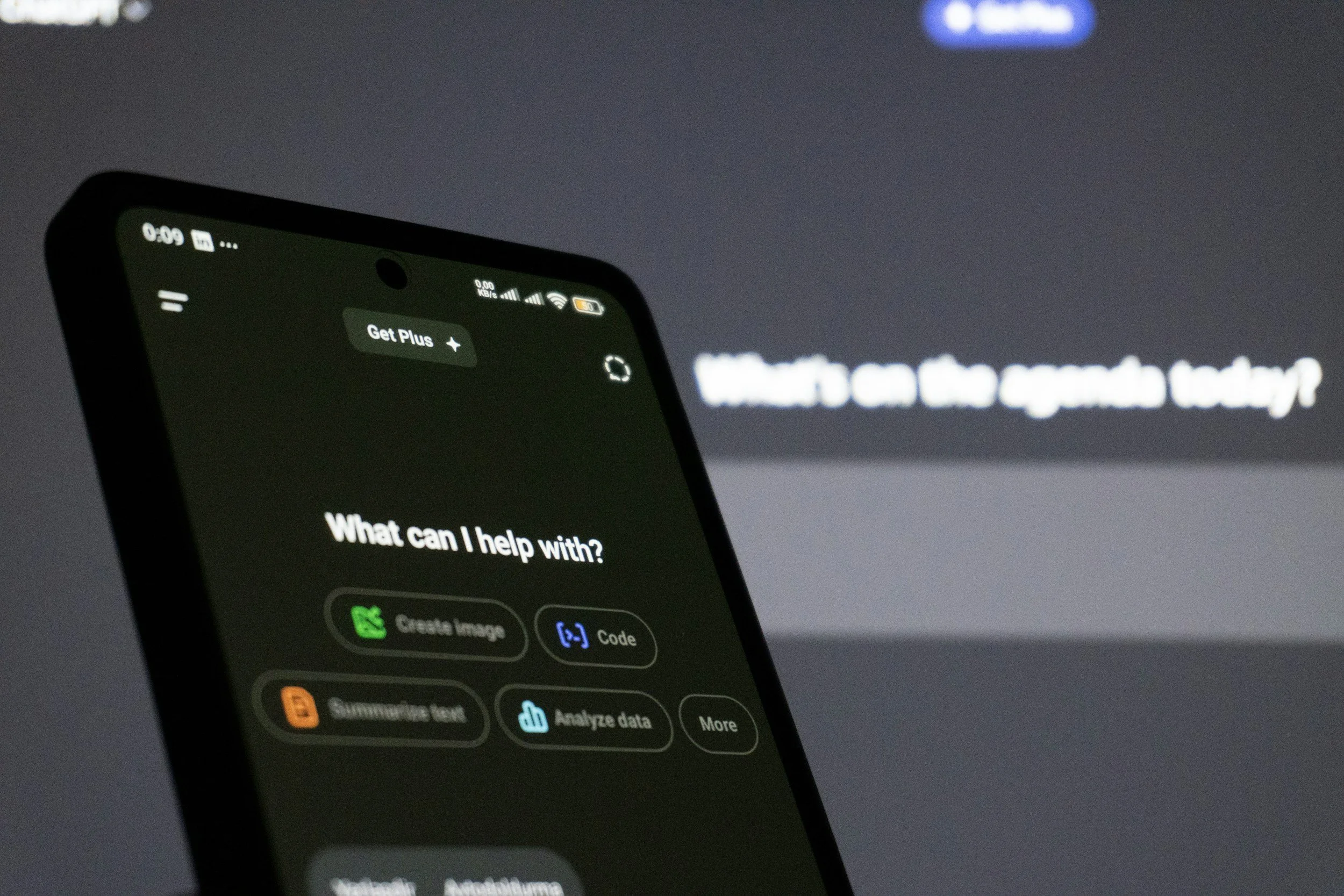
Generative artificial intelligence can create written drafts, organize information, suggest ideas, and simplify certain tasks based on written instructions.
Tools such as OpenAI's ChatGPT and Google's Gemini can help us write professional emails, prepare product descriptions, or develop a content calendar.
For example, a woman who sells handmade accessories might ask:
"Help me write three short descriptions for a collection of handmade necklaces. I want an elegant, approachable tone aimed at adult women."
Within seconds, she'll have several suggestions she can review and adapt.
The key is understanding that these tools don't automatically know our businesses, nor do they guarantee accurate answers.
They work best when we provide context and carefully review the results.
Creating Content Without Spending Hours on Social Media
For many small businesses, maintaining a consistent digital presence is a challenge.
Coming up with ideas for posts, writing captions, and designing images can take up a significant part of the workday.
Fortunately, there are tools that can help.
Canva offers AI-powered features that assist with generating design concepts, editing images, and creating visual materials.
Meanwhile, assistants like ChatGPT can help plan social media posts, develop headlines, and organize ideas.
A baker, for example, could create a monthly content calendar featuring recipes, storage tips, product photographs, and special promotions.
That doesn't mean we should automatically publish everything an AI tool generates.
Our experience, values, and understanding of our customers remain essential to creating authentic communication.
Organizing Tasks and Finding Information Faster
Artificial intelligence can also help with less visible tasks that are essential to running any business.
We can use it to turn scattered notes into organized to-do lists, prepare meeting agendas, summarize nonconfidential documents, or create simple project-tracking templates.
Some productivity platforms, such as Notion and Microsoft 365, include AI features that help users work with documents and organize information.
Imagine having a disorganized list of tasks: respond to quotes, purchase materials, prepare orders, and update prices.
An AI assistant can help you sort those tasks by priority and suggest a weekly schedule.
Of course, we still need to make sure its suggestions are realistic and fit our actual responsibilities.
Can AI Help Us With the Numbers?
One of the common challenges of entrepreneurship is organizing expenses, sales, and budgets.
AI tools can explain spreadsheet formulas, suggest expense categories, or help us interpret information we've already recorded.
For example, we can ask for a simple explanation of how to calculate a product's profit margin.
However, it's important to distinguish between receiving guidance and handing over financial decisions.
Artificial intelligence can make calculation errors, misinterpret data, or provide outdated information.
That's why financial figures should always be verified, and important tax, legal, or accounting decisions require reliable sources and, when appropriate, professional advice.
Privacy Is Part of Running a Business, Too
Before incorporating these tools into our daily routines, it's worth establishing a few boundaries.
We shouldn't enter passwords, banking details, customers' medical information, or confidential documents into platforms without understanding their privacy policies and data protection controls.
It's also important to review app permissions, subscription costs, and the terms governing commercial use of AI-generated content.
Not all tools offer the same safeguards, and they don't need access to all our information to be useful.
Starting with simple tasks and fictional data can be a good way to learn without taking unnecessary risks.
Technology Can't Replace What Makes Your Business Unique
Artificial intelligence can help us write faster, organize our ideas more effectively, and reduce certain repetitive tasks.
But it doesn't know our customers the way we do. It doesn't inherently understand the story behind our businesses, and it can't replace the judgment we've developed through experience.
Its true value emerges when we use it to complement our abilities, not surrender them.
Perhaps we don't need to adopt ten different apps or keep up with every new technological development.
We can start by identifying one task that takes too much of our time and exploring whether an AI tool can genuinely make it easier.
Because the future of entrepreneurship isn't about letting technology think for us. It's about learning to use it so we can devote more energy to what no machine can offer in quite the same way: our creativity, our relationships, and our personal vision.