

The Trad Wife Phenomenon and Work: What Happens Financially When a Woman Leaves the Workforce and What to Consider Before Making That Decision
The “trad wife” lifestyle has sparked conversation not only because of its aesthetic, but also because it has reopened a deeper financial debate: what does it actually mean, in terms of money and independence, when a woman decides to leave the workforce entirely to focus on the home? Whatever your position on this lifestyle, understanding the real financial implications of that decision is information every woman deserves to have before making it.
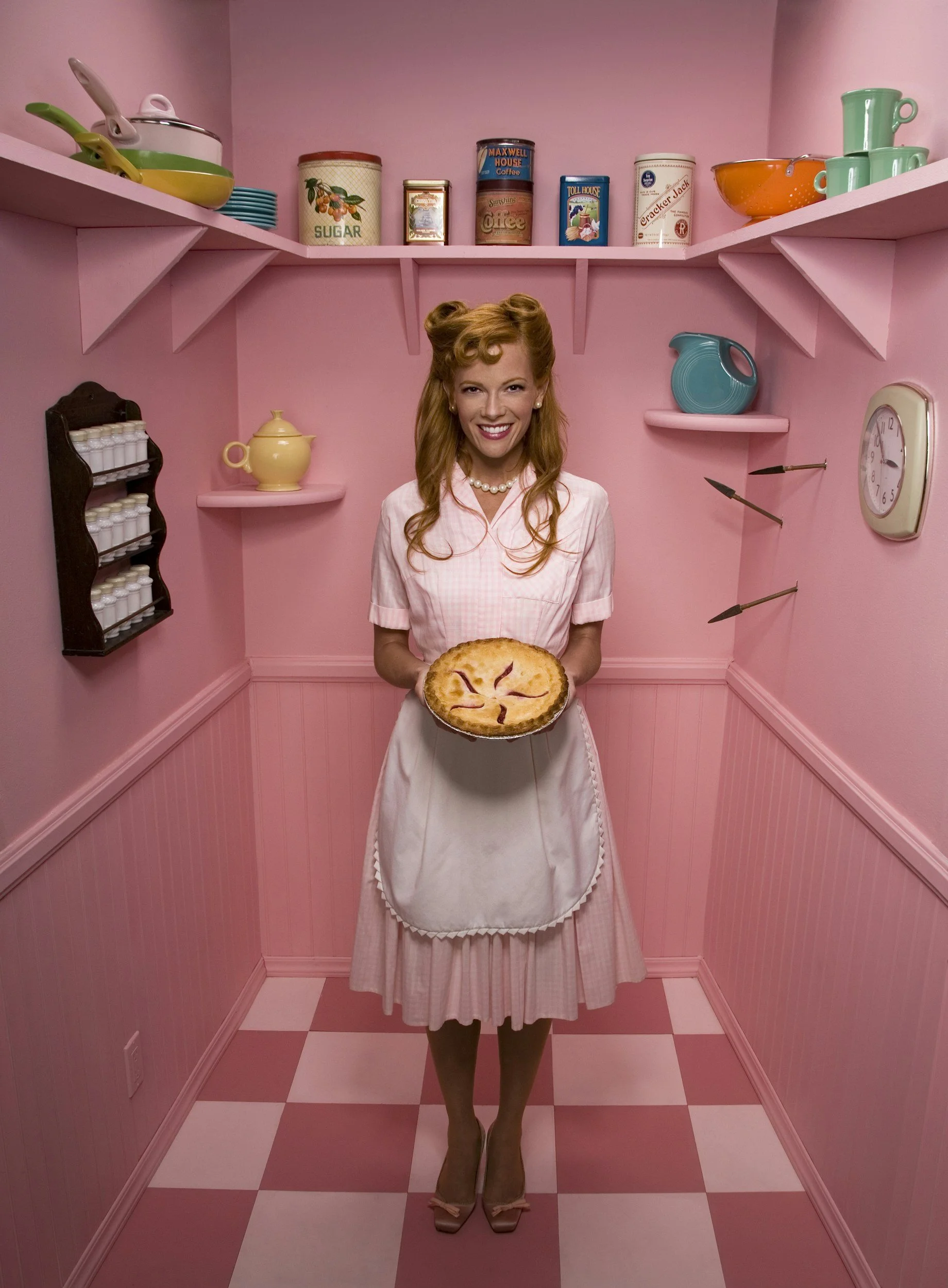
A Decision With Many Valid Motivations
Women who choose to dedicate themselves full-time to the home do so for very different reasons: personal beliefs about how they want to raise their children, the cost of childcare—which can sometimes equal or exceed a salary—the desire to slow down after years of a demanding career, or simply a lifestyle choice that feels right for them. None of these reasons is more or less valid than another; what does vary is the level of financial preparation each one requires.
The Opportunity Cost Few People Calculate
Leaving the workforce does not simply mean giving up an income for the duration of that period. It also means pausing the accumulation of retirement benefits, professional and salary growth that would otherwise have continued, and, in many cases, facing a more difficult career reentry if the decision to return is eventually made. Calculating this opportunity cost—not to discourage the decision, but to make it with complete information—is a financial exercise that is rarely undertaken before taking the step.
Financial Dependence as a Variable to Plan For, Not Ignore
Regardless of how strong a relationship may be, being financially dependent on another person is a real financial variable that deserves planning, not just trust. This includes having concrete conversations about how finances would be handled in the event of separation, illness, or the partner’s death, and whether there is some form of personal access to savings, accounts, or insurance that does not depend exclusively on the other person’s income.
Keeping Something of Your Own, Even on a Smaller Scale
Many women who choose this lifestyle find a valuable middle ground: maintaining some source of personal income, even if it is on a smaller scale than before, whether through a part-time business, occasional freelance work, or a personal investment they manage independently. This is not only about financial logic; it also preserves a sense of economic autonomy that many women value maintaining, even within a more traditional lifestyle model.
Retirement Doesn’t Wait for You to Decide to Return
One of the least discussed aspects is the long-term impact on retirement. Years outside the formal workforce without personal contributions create a gap in retirement savings that, if not compensated for in some way—whether through joint contributions or personal investments—can translate into significantly less financial security later in life, especially for women, who already tend to live longer than their partners.
Information, Not Judgment
This conversation is not about telling any woman what decision to make about her own life and family. It is about making sure that, whatever the decision, it is made with all the financial information on the table, rather than solely from the idealism of an aesthetic that, on social media, rarely shows the fine print of what it can mean financially in the long term.