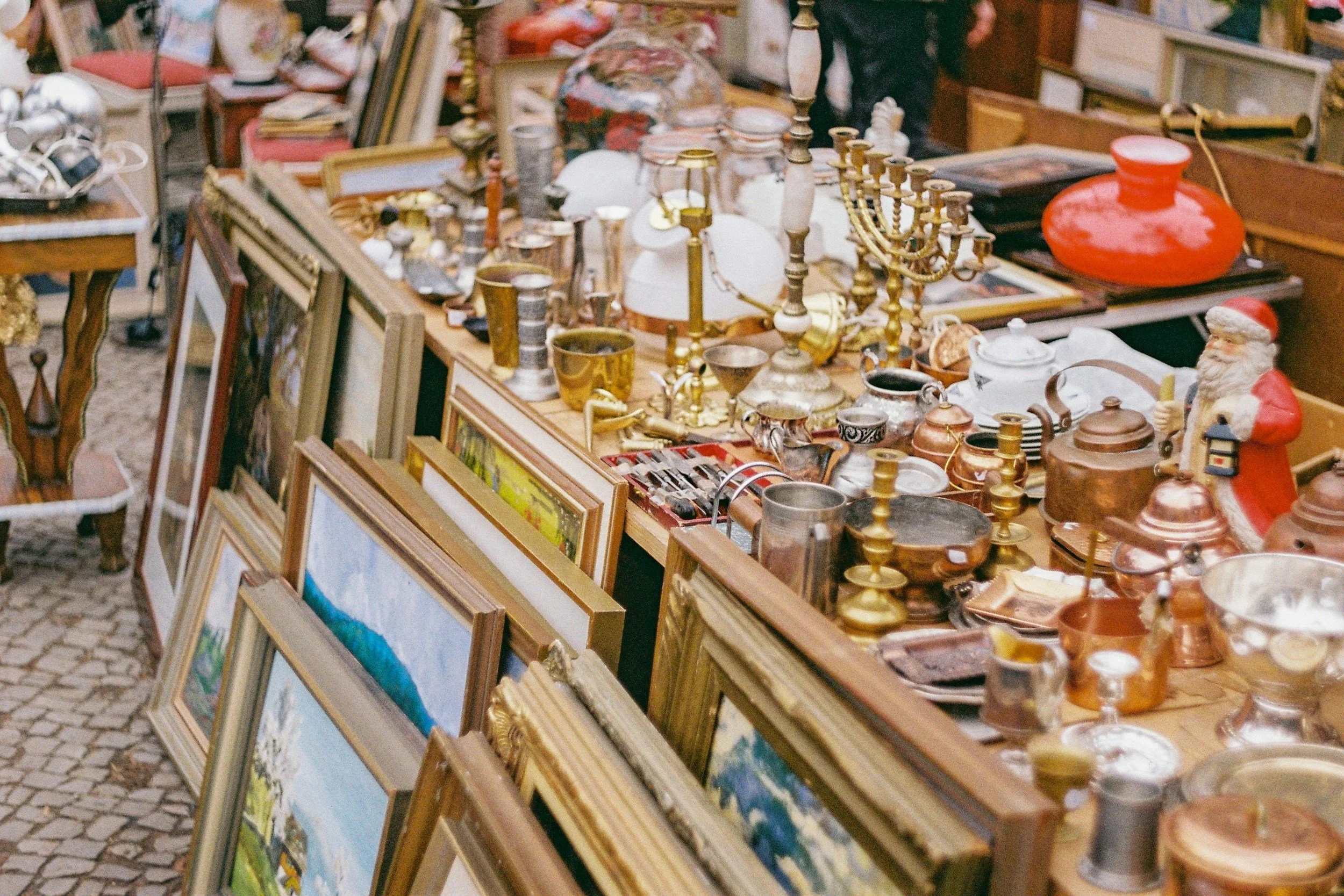

The growing culture of reuse is transforming the way we decorate, dress, and shop.
A wooden table with small signs of age. A beautifully made coat that someone no longer wears. A 1970s lamp that could become the centerpiece of our living room.
A few decades ago, buying used items was primarily associated with the need to save money. Today, for many people, it represents something different: a way to shop more intentionally, discover unique pieces, and challenge the idea that everything must be new to have value.
Vintage shops, secondhand markets, and resale platforms have turned what was once seen as a budget-friendly alternative into a lifestyle choice.
But what's behind this new way of shopping?
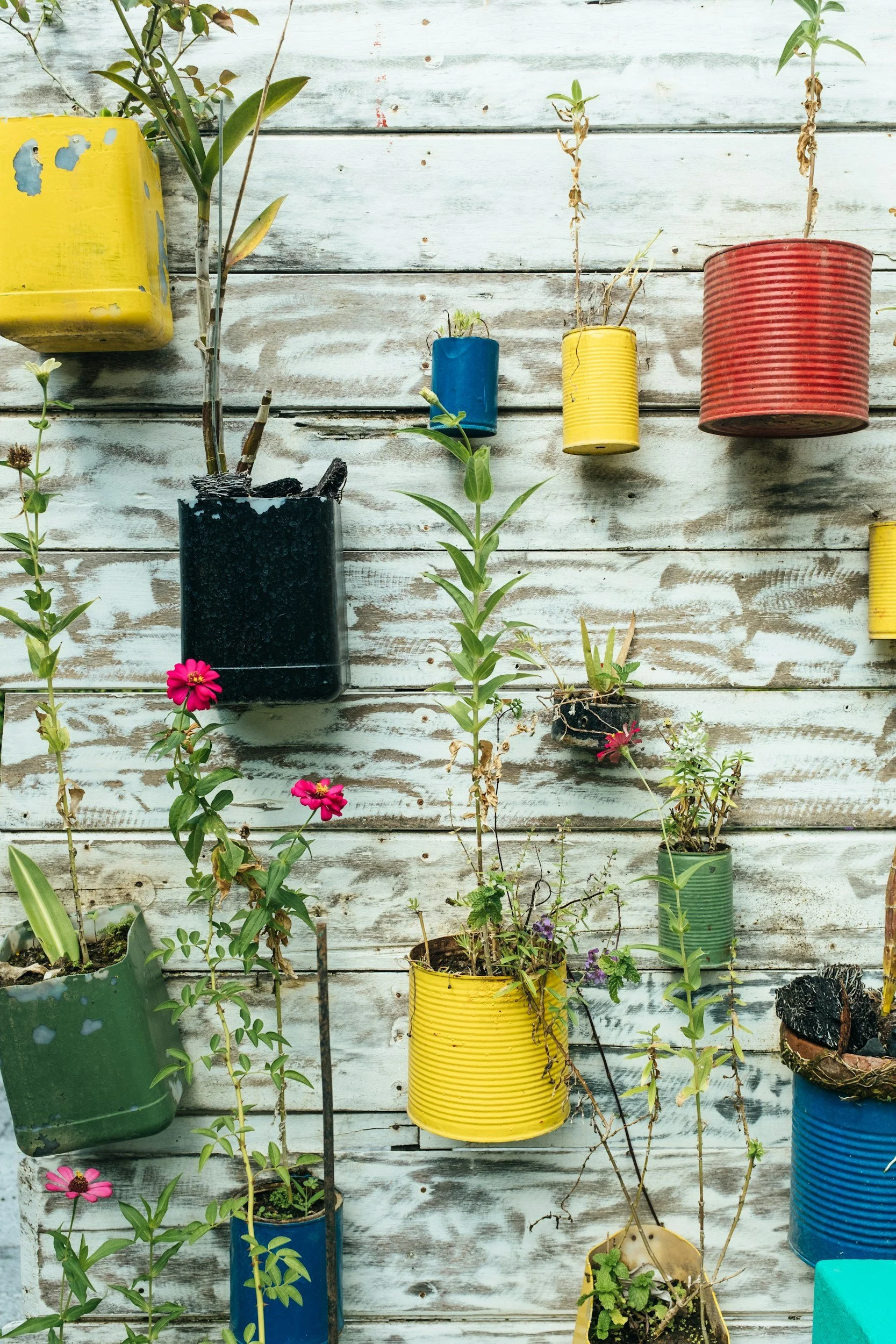
The Charm of Objects with a Story
We live surrounded by mass-produced products. We can find nearly identical furniture, clothing, and accessories in cities around the world.
That's why discovering something different can feel especially appealing.
An antique dresser, a set of inherited dishes, or a jacket from another decade adds personality and connects us to the past.
In home decorating, combining contemporary pieces with secondhand furniture allows us to create spaces that feel less uniform and more personal.
We don't need to turn our homes into antique museums. Sometimes, one thoughtfully chosen piece can transform an entire room.
The real charm isn't simply in an object's age, but in the story we imagine behind it and the new life we can give it.
Vintage, Secondhand, and Antique: They're Not the Same
Although we often use these terms interchangeably, there are differences.
A secondhand item is simply something that has had a previous owner.
The word vintage is generally used to describe objects from past decades that reflect the style of a particular era, while antique is typically reserved for older pieces, often at least 100 years old.
These distinctions can affect prices, especially when it comes to furniture, jewelry, and collectibles.
However, just because a seller describes something as vintage doesn't guarantee that it's authentic, rare, or valuable.
Before spending a significant amount, it's worth researching the item's origin, condition, and typical market price.
Buying Secondhand Can Also Be an Environmental Choice
Manufacturing new products requires raw materials, energy, transportation, and industrial processes.
Extending the useful life of certain objects can reduce the need to produce replacements and prevent reusable materials from ending up in landfills prematurely.
This is especially relevant for furniture, clothing, and household goods.
However, buying secondhand isn't automatically the most sustainable choice in every situation.
Transportation distances, necessary repairs, and the number of items we purchase also matter.
Buying ten secondhand garments we'll never wear isn't necessarily more responsible than choosing one well-made new piece.
Sustainability also means buying less and making better use of what we already own.
Secondhand Treasures to Discover in the United States
For Latina women living in the United States, there are plenty of places to explore the secondhand market.
Thrift stores offer clothing, household items, and furniture at a wide range of prices.
There are also estate sales, where belongings from a home are sold, and garage sales, where families offer items they no longer need.
Platforms such as Facebook Marketplace and eBay make it possible to search for specific products, compare offers, and find nearby sellers.
Each option calls for different precautions.
When buying from individuals, it's important to check the item's condition, use secure payment methods, and avoid sharing unnecessary personal information.
Not Every Used Item Is a Good Deal
The excitement of finding a bargain can sometimes make us overlook important details.
Before purchasing furniture, we should check its stability, look for damage, and inspect for signs of pests.
When buying appliances, it's wise to verify that they work properly, consider their age, and check whether replacement parts are available.
Used mattresses may present hygiene concerns or pest infestations, while secondhand child car seats require particular caution because of possible previous accidents, expiration dates, and product recalls.
We should also pay attention to products that may contain hazardous materials or fail to meet current safety standards.
A low price stops being a bargain when it comes with safety risks or expensive repairs.
The Art of Shopping Thoughtfully
A good strategy is to visit secondhand shops and markets with a general idea of what we need.
We can measure the space where a piece of furniture will go, set a budget, and compare prices before making a decision.
It's also worth asking ourselves whether we'll actually use the item or whether we're simply excited about finding something inexpensive.
Sometimes, restoring a piece can become a rewarding creative project. Other times, the materials and time required may far outweigh the initial savings.
Shopping wisely doesn't mean always finding the lowest price. It means choosing something that genuinely fits our lives.
A New Way of Seeing What Already Exists
Perhaps the most interesting change brought about by secondhand culture is that it invites us to rethink our relationship with possessions.
Not everything old is outdated. Not everything new is better. And not everything someone no longer needs has lost its usefulness.
We can enjoy a beautiful home, dress with personality, and express our individual style without constantly buying new things.
Because shopping wisely isn't just about spending less. It's also about learning to recognize the value of what already exists and discovering that, sometimes, the best stories begin with a second chance.