
Fall Holidays Between Two Cultures: How to Celebrate Halloween, Día de los Muertos, and Thanksgiving with Your Own Identity
For many Latino families in the United States, fall brings a particular crossroads of traditions: Halloween, with its Anglo-Saxon origin already deeply rooted in American culture; Día de los Muertos (Day of the Dead), with its rich Mexican tradition of honoring ancestors; and Thanksgiving, the quintessentially American celebration of gratitude and family gathering. Living out these three dates with your own identity, rather than choosing one over another, is entirely possible.
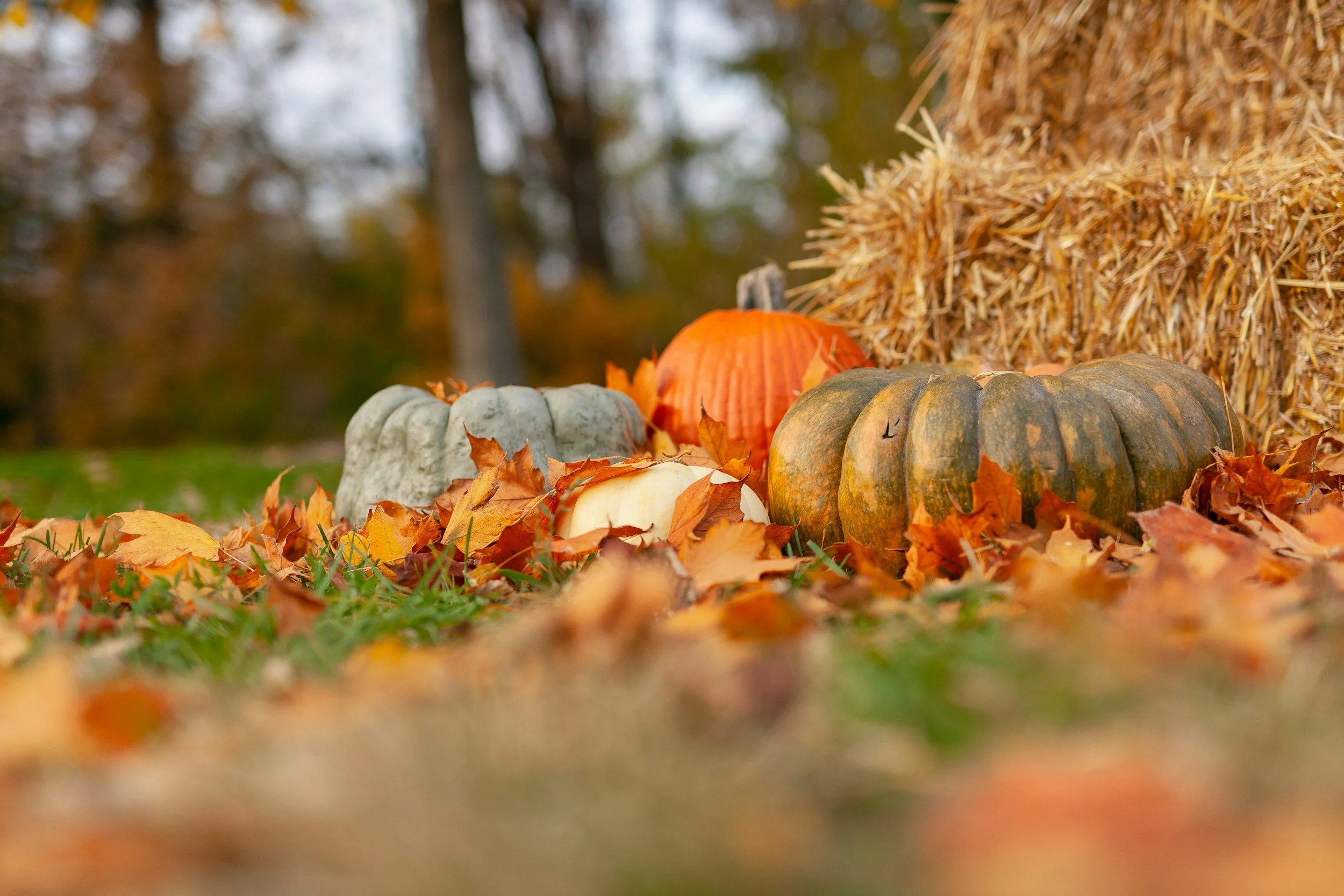
Halloween and Día de los Muertos, different traditions that can coexist
Although they're often confused because of how close they fall on the calendar, Halloween and Día de los Muertos have completely different origins and meanings: one celebrates costumes and mystery with a playful tone, the other honors those who are no longer with us with deep respect and affection. Many families celebrate both, setting aside different spaces for each: the fun of costumes with the kids, and a simple altar with photos and flowers to remember loved ones.
Creating a Día de los Muertos altar with your kids
Putting together a simple altar at home, with photos of family members who have passed, their favorite foods, and some flowers, is a beautiful way to introduce this tradition to your kids, especially those growing up far from the home country. Explaining the meaning behind each element turns the activity into a lesson in cultural identity, not just a seasonal decoration.
Thanksgiving, a celebration you can make your own
You don't need to exactly replicate the traditional American dinner to genuinely take part in Thanksgiving. Many Latino families bring dishes from their culture of origin to the Thanksgiving table, creating a hybrid version that honors both the tradition of the country that welcomed them and the identity they carry with them. This fusion, far from being a loss of identity, is an authentic expression of the bicultural experience.
Talking to your kids about why we celebrate what we celebrate
Kids growing up between two cultures benefit from understanding the why behind each celebration, not just the how. Simple, age-appropriate conversations about the origin of each holiday give them the tools to live their bicultural identity with understanding and pride, rather than with the confusion of mixing traditions without context.
Three celebrations, one whole identity
Living out Halloween, Día de los Muertos, and Thanksgiving in the same season doesn't have to feel like a cultural contradiction. For many Latino families in the United States, this combination is, precisely, the most honest expression of who they are: an identity that doesn't choose between two worlds, but inhabits both of them naturally.
