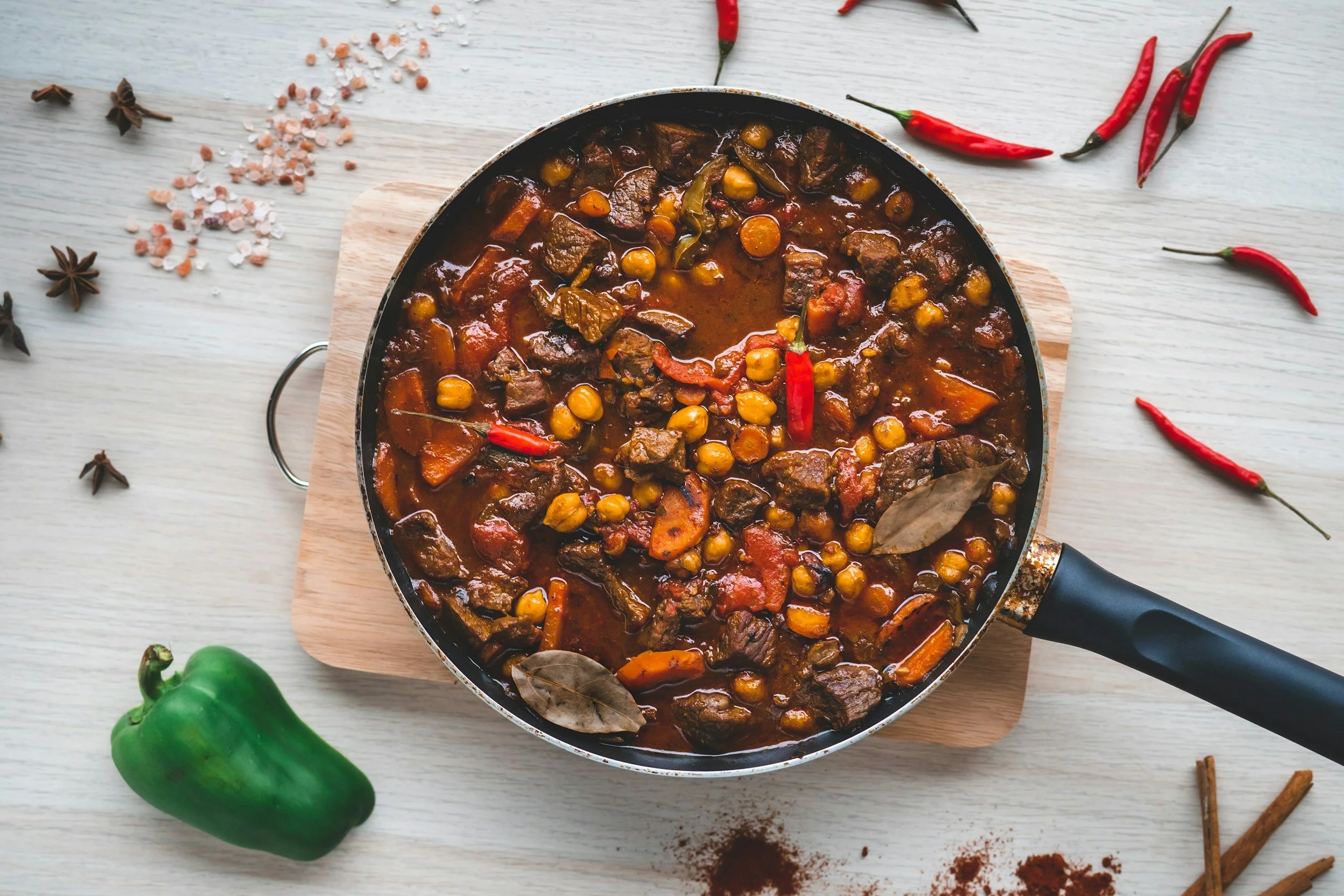

Fall Cooking as a Cultural Act: The Seasonal Recipes That Connect to the Home Country, and How to Preserve Them
In many Latino families, fall cooking isn't just about seasonal ingredients: it's an act of cultural memory, where recipes inherited from mothers and grandmothers are prepared on the same dates every year, with the same aromas that evoke the home country, even thousands of miles away.
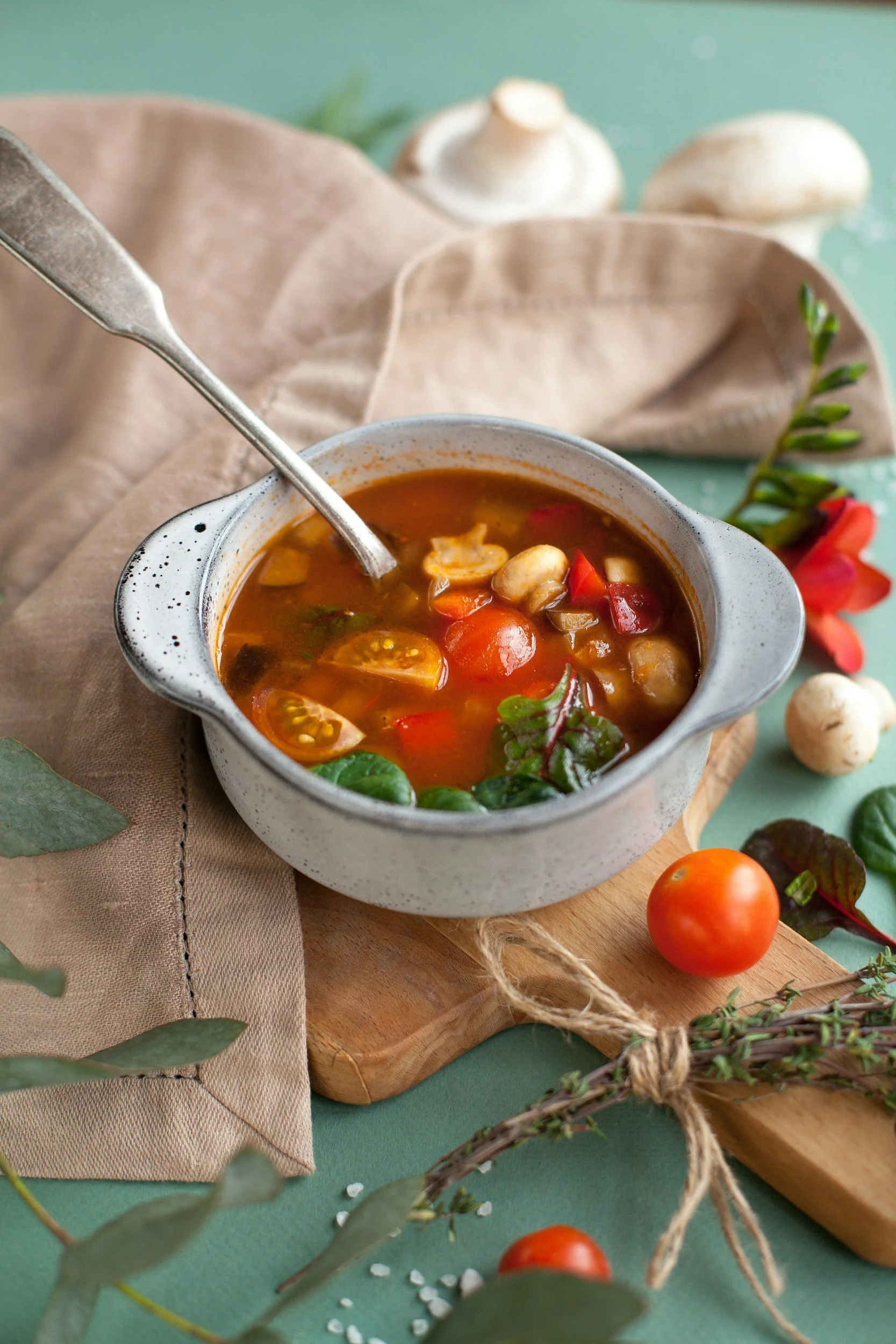
Why certain recipes kick in right at this time of year
Cold weather, the availability of certain ingredients, and sensory memory work together: there are dishes the body and mind associate directly with fall, even if they grew up in a hemisphere with reversed seasons. Preparing those dishes at this time of year, even adjusting ingredients to what's available in the United States, is a way of keeping that seasonal connection to the culture of origin alive.
The value of unwritten recipes
Many of our families' most meaningful recipes were never written down: they were passed on by watching, cooking alongside a mother or grandmother, adjusting "by eye." Fall, with its more homebound rhythm, is a good time to finally write those recipes down, with approximate quantities and the tricks that are only learned by cooking next to someone.
Cooking with the kids, the most natural way to pass on culture
Involving kids in preparing these seasonal dishes, even with simple age-appropriate tasks, is one of the most effective ways to pass on bicultural identity. The taste and smell of these recipes stay etched in memory in a way no theoretical explanation of the culture of origin can match.
Adapting without losing the essence
It's not always possible to find exactly the same ingredients in the United States that were used in the home country. Adapting a recipe with locally available ingredients, while keeping the core techniques and flavors, doesn't take away its cultural value: it's actually part of the living story of how traditions transform and survive in the diaspora.
One dish, one story to share at the table
This fall, as you prepare that same old family recipe, consider sharing with your kids or whoever joins you at the table the story behind the dish: who taught it to you, where it comes from, what memories it brings. The food nourishes the body, but that shared story is what nourishes identity.