
Female Genealogy: The Importance of Documenting the Stories of the Women in Our Families
For generations, family trees have been constructed following a line of surnames and patrimonial inheritances, often leaving the accounts of women on the margins of official history. Their lives were reduced to dates of birth, marriage, and death, as if their passage through the world carried no more weight than the roles they performed. However, today we understand that female genealogy is an act of historical justice and a powerful tool for self-discovery.
Have you ever wondered how many of your talents, fears, or ways of leading are, in reality, echoes of the untold stories of the women who preceded you?
Memory as Intangible Heritage
From an anthropological perspective, the history of women usually resides in what we call "domestic culture" or "knowledge of care." Since they do not appear in major public archives or commercial records, their stories must be rescued from more intimate sources: letters, diaries, recipes noted in the margins, sewing techniques, or simple anecdotes passed down by word of mouth.
Documenting these stories means recovering an intangible heritage that gives us a sense of belonging. When we reconstruct the life of a great-grandmother who had to emigrate, or a grandmother who managed a family economy during times of crisis, we are recovering a DNA of resilience that belongs to us.
Why Document Your Lineage Today
In a digitized and future-oriented world, looking back with a gender lens allows us to:
Break Generational Silence: Many of the traumas or limitations we feel today originate in mandates that our predecessors could not question. Naming those stories is the first step toward dismantling them.
Validate Trades and Knowledge: Giving a name and value to the unpaid work or artistic talents that our grandmothers could not professionalize is a way of honoring their creativity and effort.
Build a Solid Identity: Knowing where we come from—with its lights and shadows—allows us to inhabit our present with a different kind of security. We are no longer an isolated individual, but a link in a chain of survival and desire.
How to Start Your Own Family Archive
As editors of our own history, we can apply communication and archiving tools to create a lasting legacy:
The Active Interview: Don't wait for the holidays to ask. Sit down with the older women in your family with a recorder. Ask them not only what they did, but what they dreamed of, what they feared, and what they would have liked to learn.
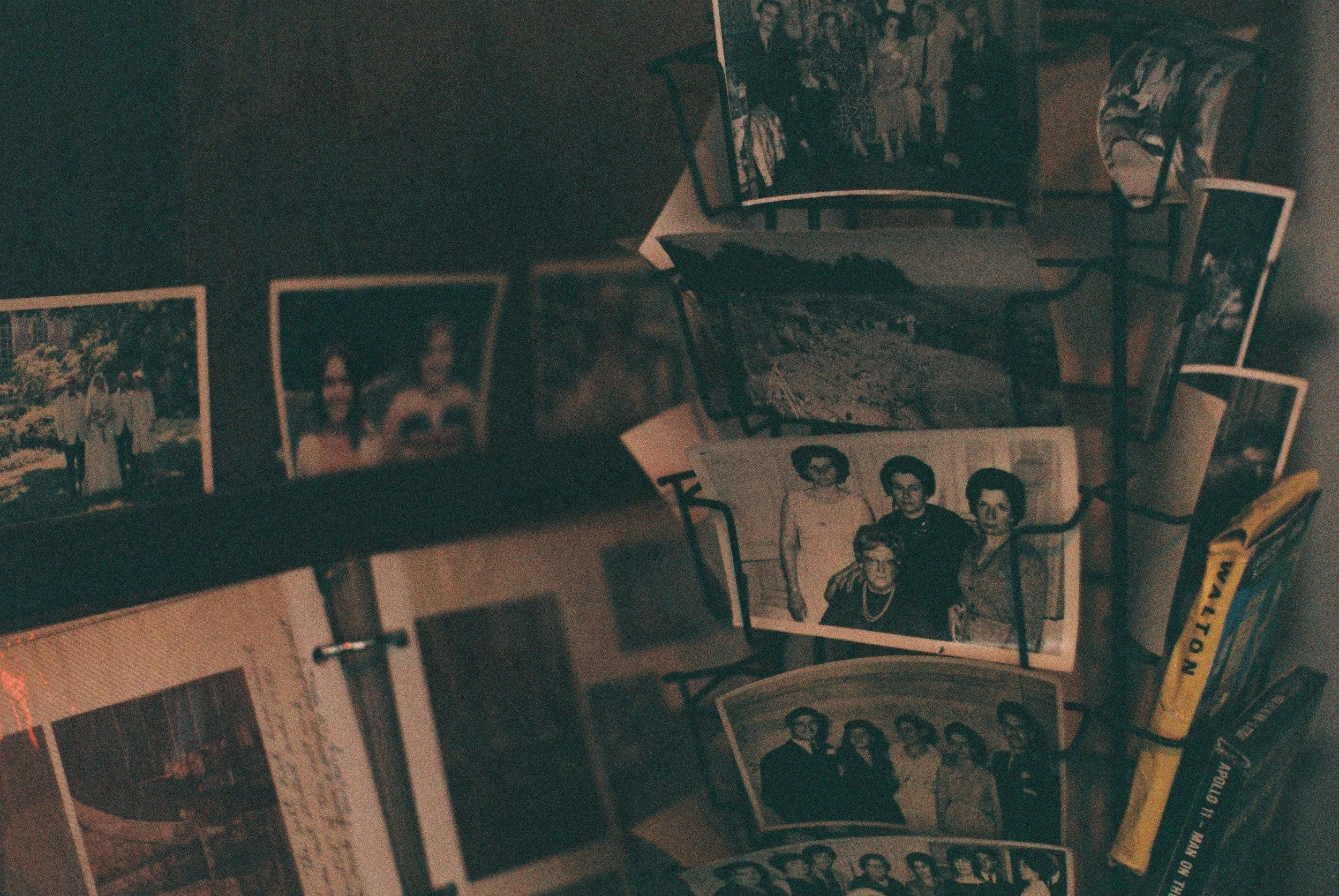
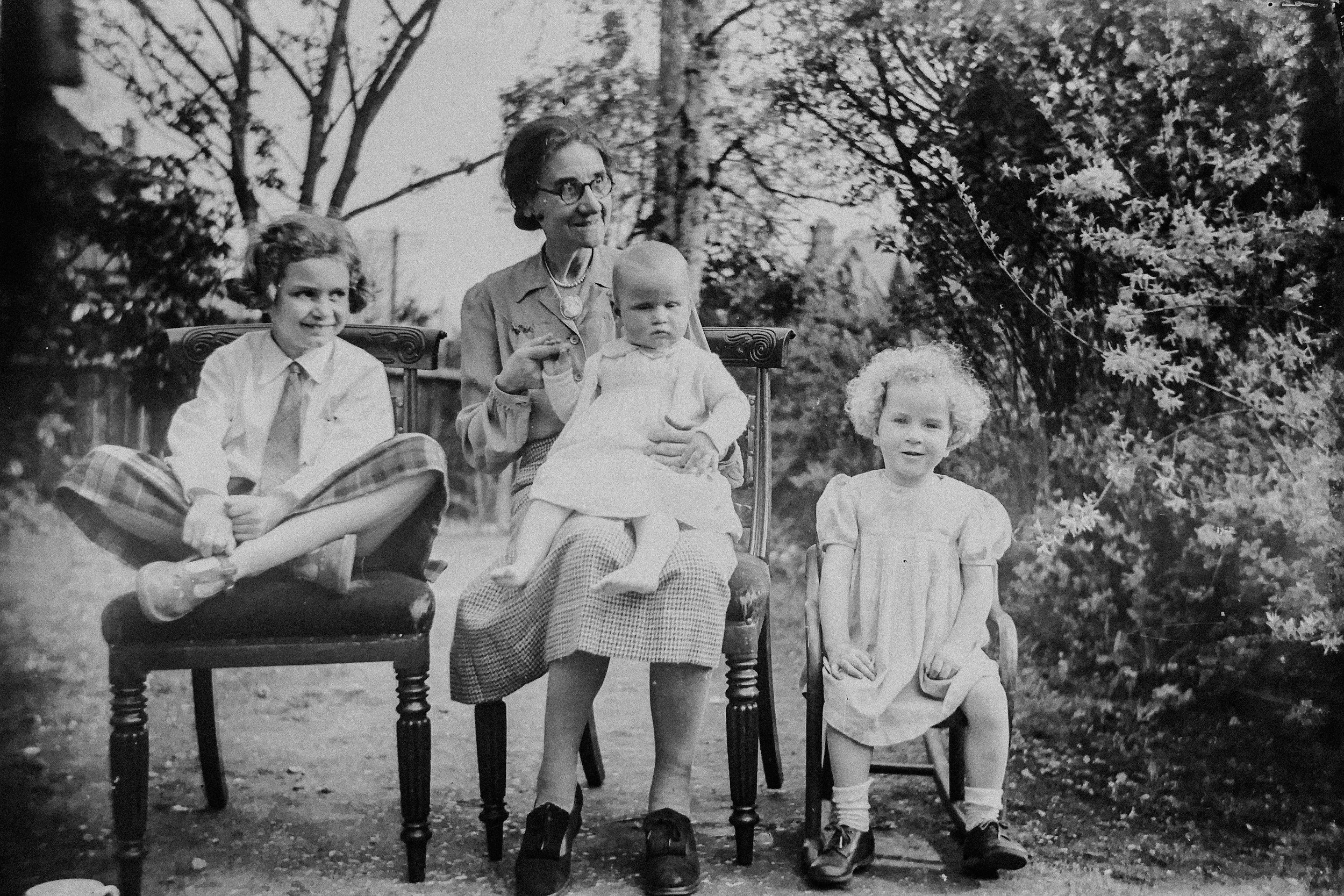
The Photographic Archive: Rescue those old photos without names. Identify the women appearing in them and write down their stories on the back. A photo is an inexhaustible memory trigger.
The "Memory Book": Create a space (physical or digital) where you keep everything from a family recipe to the account of how an aunt challenged the norms of her time. It is the most valuable gift you can leave to future generations.
The Leadership of Remembering
Documenting our female genealogy is an act of leadership. It is deciding that the voices of our ancestors will not fade with time. By giving them words, we return their place in history and give ourselves permission to write our own chapter with greater freedom.
Memory is a muscle we must exercise so as not to forget who we are. Which story of a woman in your family do you believe deserves to be rescued from oblivion today to inspire your present?