
The "Art Therapy" Phenomenon in the Era of Burnout: Why Creating is the Most Necessary Act of Resistance
In the vocabulary of the contemporary professional woman, the term "burn-out" has become a constant, almost normalized presence. We live in the era of algorithmic productivity, where every minute must be optimized, monetized, or recorded. In this scenario, dedicating time to an activity that has no commercial purpose—such as painting, modeling clay, or embroidery—can seem like an unattainable luxury. However, modern psychology and neuroscience are rediscovering that Art Therapy is not a hobby, but a technology for mental survival.
The Neuroscience of Creation: Beyond the Result
For a strategist, the value of an action is usually measured by its ROI (Return on Investment). In Art Therapy, the return is not found in the finished work, but in the neurological process of creation. When we engage in manual and creative tasks, our brain enters what is known as the "Flow State."
In this state, the prefrontal cortex—the area responsible for constant planning and self-criticism—temporarily "shuts down." This allows for a significant reduction in cortisol (the stress hormone) and stimulates the release of dopamine and endorphins. It is a form of active meditation that offers the mind a respite from the "always-on" mode of the digital world.
3 Reasons Why Art is a Strategic Professional Tool
Integrating creative practice into your routine is not an escape from your responsibilities, but a way to strengthen your leadership:
Restoring Cognitive Flexibility: Repetitive and demanding work can make our thinking rigid. Art forces us to face "controlled errors" and find non-linear solutions, which later translates into greater creativity for problem-solving in business.
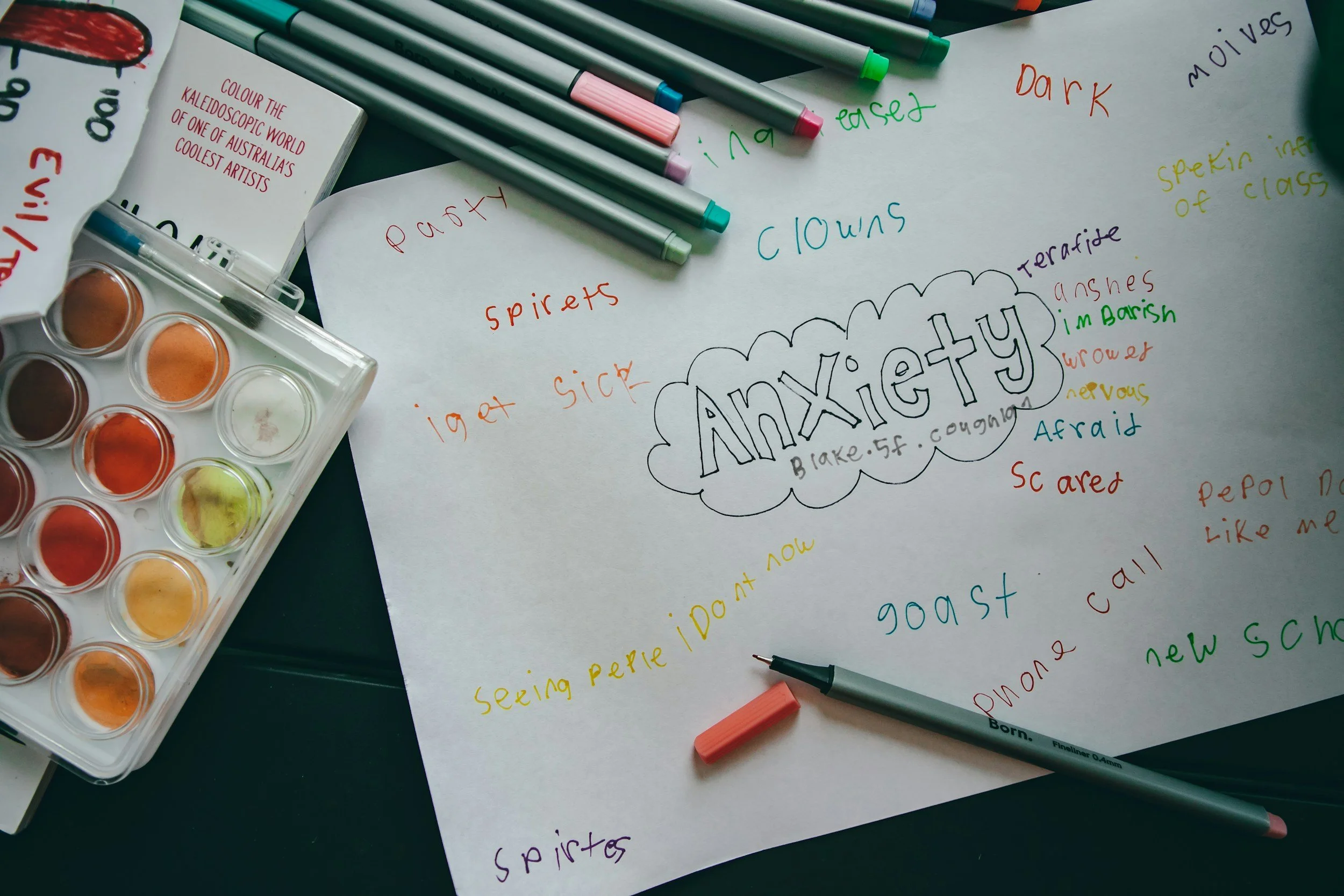
Emotional Externalization: Often, professional pressure generates emotions that are difficult to verbalize. Moving a brush or shaping clay allows these tensions to be projected onto a physical object, facilitating emotional regulation without the need for an immediate narrative.
Reclaiming Agency: In an environment where we often depend on external factors (algorithms, markets, clients), art offers a space where we have total control. You decide the color, the shape, and the rhythm. This restores a sense of personal agency that is vital for preventing burnout.
How to Edit Your "Creative Pharmacy"
You don't need to be an artist to benefit from Art Therapy. As the editor of your own well-being, you can select the "medium" that best suits your needs:
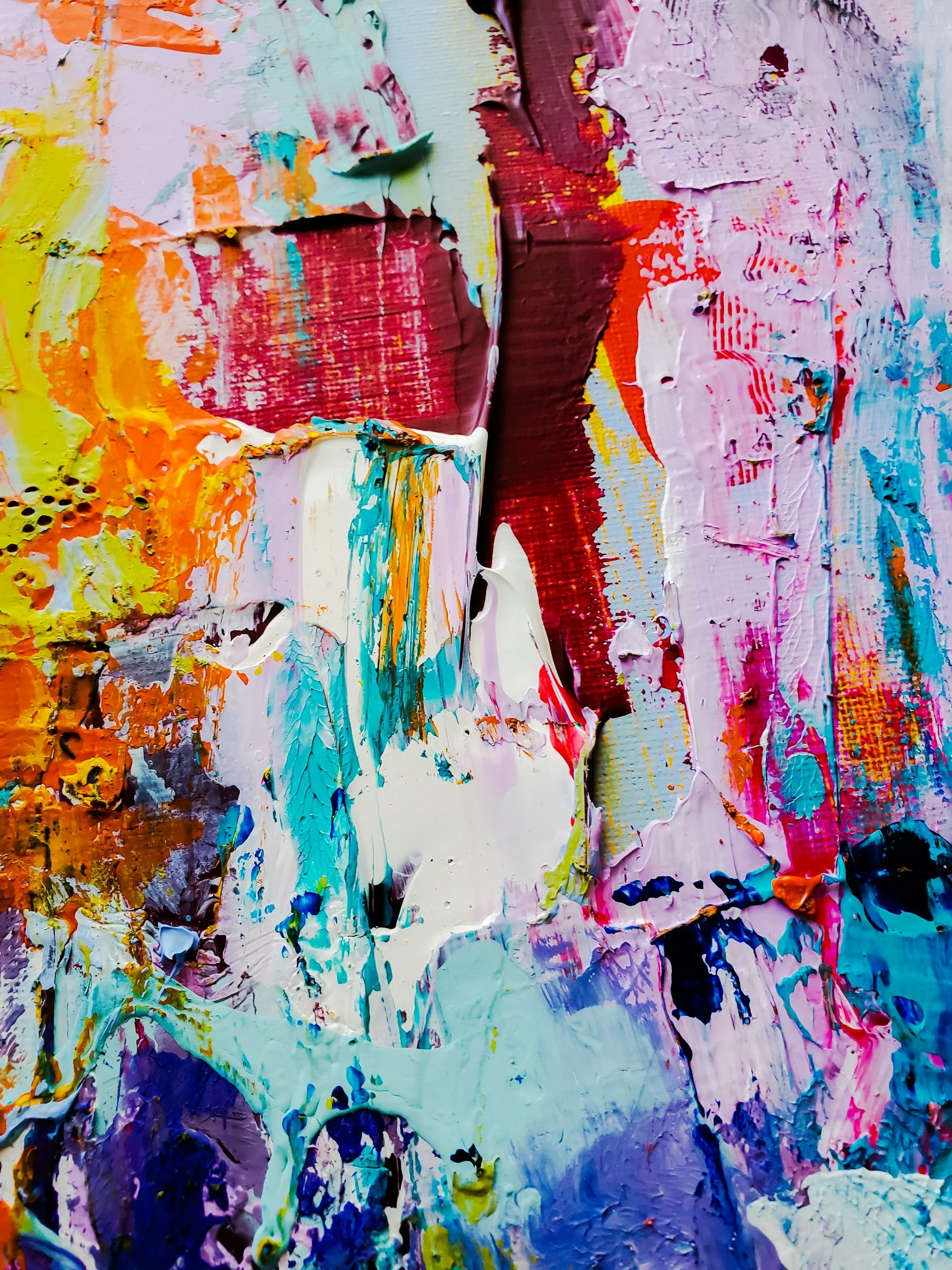
If you feel overwhelmed by data: Try abstract painting or watercolors. The fluidity of the water and the lack of defined structures help to release the need for control.
If you feel a loss of focus: Try embroidery or weaving. The repetitive and rhythmic movement acts as a stabilizer for the nervous system, helping to ground your attention.
If you feel "stuck": Try sculpting or ceramics. The tactile contact with the earth and the physical resistance of the material help to unlock mental energy through the body.
Art as a Manifesto of Self-Leadership
Dedicating an hour a week to a "useless" activity is, in reality, a radical act of sovereignty. It is telling the system that your time and your peace are not for sale. True sophistication today is the ability to disconnect from the digital grid to reconnect with the ancestral capacity of our hands to create.
When was the last time you allowed yourself to create something without the pressure of it being "perfect" or "productive," and how would your mental clarity improve if you added a creative ritual to your weekly agenda?