
Latin Design and Visual Culture Trends: How to Incorporate Authentic Elements Without Falling Into Clichés
In recent years, Latin aesthetics have conquered the worlds of design, fashion, and branding. Vibrant colors, handcrafted textures, ancestral symbols, and Spanish phrases now appear in global campaigns, packaging, and products that aim to capture the energy and passion of our culture.
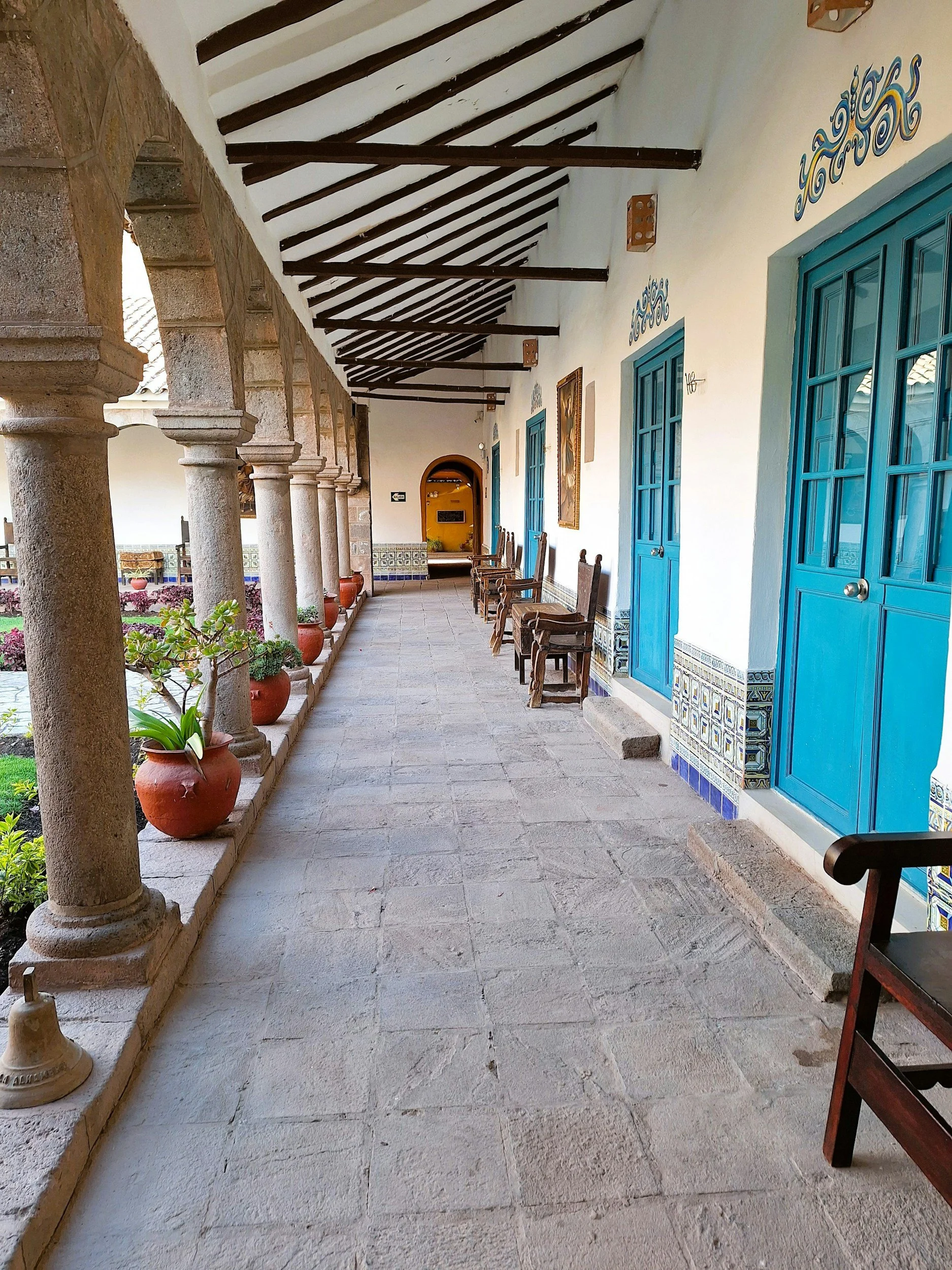
But there’s a fine line between celebrating Latin identity and turning it into an empty postcard. Incorporating Latin elements into your brand or space isn’t about filling everything with flowers, skulls, or “typical” embroidery—it’s about doing it with awareness, respect, and authenticity.
This article is your guide to drawing inspiration from the cultural richness you carry within—and expressing it in your business, your products, or your surroundings—in a modern, consistent, and soulful way.
🎨 1. Be Inspired, Don’t Imitate
The first thing to understand is that being inspired by culture doesn’t mean copying it.
Before using a pattern, symbol, or Spanish phrase, ask yourself where it comes from and what it represents. If it’s an Indigenous or community-based element, do your research—and if possible, collaborate with local artists or artisans to integrate it respectfully.
For example, instead of replicating a Huichol embroidery pattern in your logo, you could partner with a local cooperative to create an adapted version and share its story. That way, your design becomes a bridge, not an act of appropriation.
🌈 2. Colors That Tell Stories
Latin aesthetics are synonymous with color, but color goes far beyond the visual—it communicates emotion, roots, and energy.
Red evokes strength and passion; yellow, joy; turquoise, a connection to nature and spirituality.
You can apply this palette in your social media, branding, or even your workspace décor—but with balance.
A Latin touch doesn’t have to be overwhelming: sometimes a single handcrafted piece, a wall in an earthy tone, or a warm typeface is enough to convey identity without excess.
🪶 3. Textures With Soul
Natural, handmade, and imperfect materials are making a comeback. Instead of synthetic or cold surfaces, modern Latin brands are embracing raw cotton, handmade ceramics, wood, and natural fibers as part of their visual identity.
If you’re an entrepreneur, think about how you can include tactile details that transmit warmth and connection: a woven label, a recycled box scented with cacao, or an embossed logo.
Your audience will experience it not just as a product—but as a story.
✍️ 4. Typography and Language: The Power of the Latin Word
One of the strongest branding trends is a return to emotional and authentic language.
Including Spanish words or cultural expressions can strengthen your brand—if done naturally and coherently.
Brands like Viva la Bonita or Jefa in Training connected with Latin and multicultural audiences not because they used popular phrases, but because they spoke from real identity—with pride and without stereotypes.
🌿 5. Modern Doesn’t Mean Forgetting Your Roots
The key is balance. Being a Latina entrepreneur doesn’t mean being stuck in the past—it means reinterpreting your roots from the present.
You can blend a contemporary aesthetic—minimalism, clean typography, soft colors—with subtle cultural elements that express who you are: a geometric line inspired by Andean art, a palm texture, or a black-and-white photo of your grandmother as an entrepreneur.
What matters is not that your brand looks Latin, but that it feels authentic.
✨ The New Luxury Is Authenticity
The world is tired of copies and empty narratives. Today, what captivates people is truth—projects with story, voice, and coherence.
Incorporating Latin culture into your design isn’t a trend—it’s a way of honoring your origins and standing out with purpose.
So let your roots converse with your present. Play with colors, textures, and words—but do it from the heart, not from fashion.
Because when design is born from authenticity, it doesn’t just look beautiful—it feels alive.