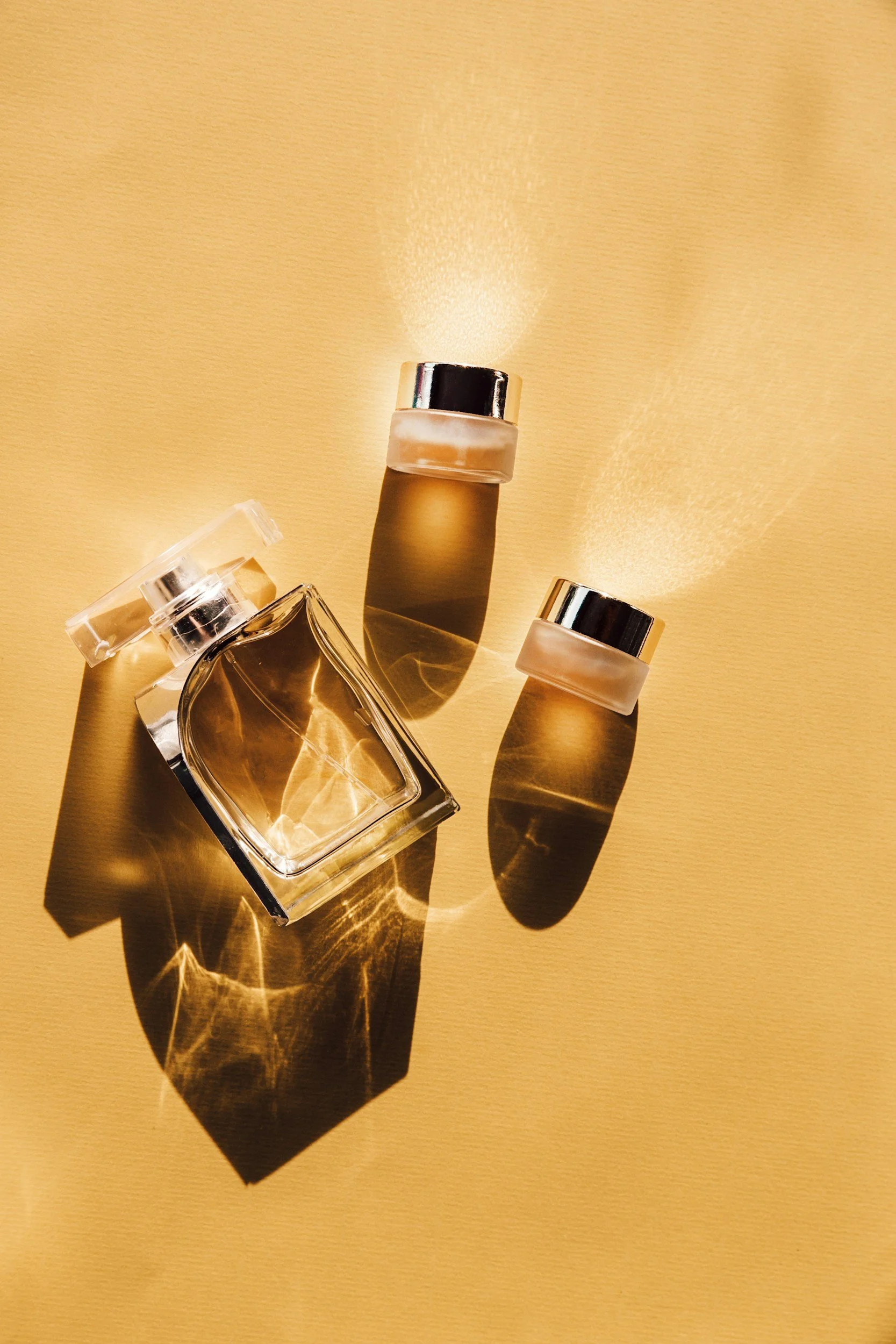

Does Your Perfume Say Something About You? The Connection Between Scent, Memory, and Personal Identity
Some perfumes take us back to places we thought we'd forgotten. The scent of a familiar cologne can transport us to childhood, a floral fragrance can remind us of our mother, and certain notes of vanilla can awaken nostalgia for a past love. Sometimes, all it takes is a second for a scent to unlock memories that have been dormant for years.
But why do scents have such a powerful effect on our emotions? And what does the perfume we choose each morning say about us?
The answer brings together neuroscience, memory, and something deeply personal: the way we build our identity through our senses.
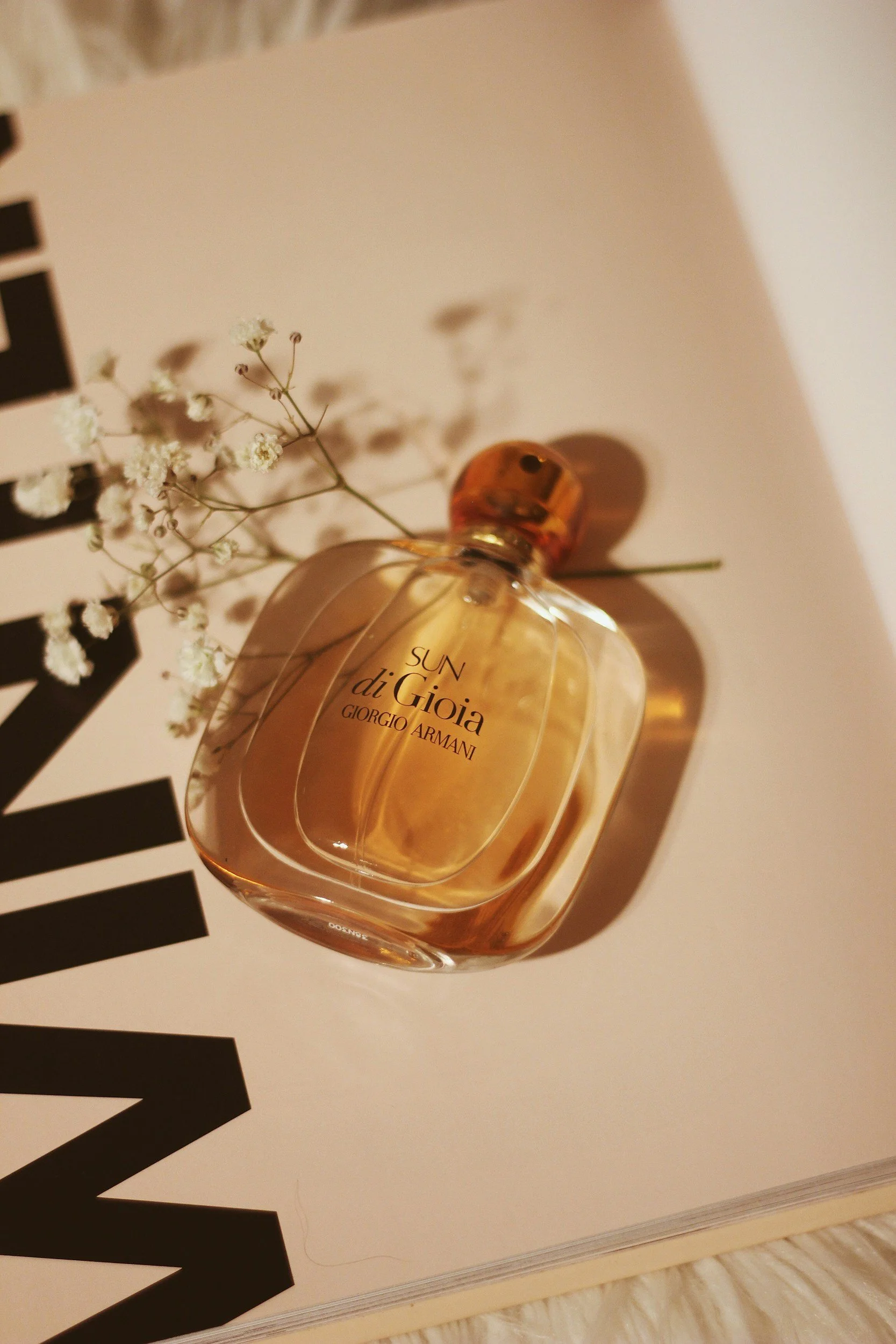
The Sense With a Special Connection to Memory
Unlike other sensory information, smells have particularly close connections to areas of the brain involved in emotions and memories, including the amygdala and the hippocampus.
This relationship helps explain why certain scents can trigger especially vivid autobiographical memories, accompanied by feelings we thought we'd forgotten.
Researchers call this phenomenon the Proust effect, named after French writer Marcel Proust, who described how the taste and aroma of a madeleine dipped in tea brought back memories of his childhood.
We don't need a sophisticated fragrance to experience something similar. The smell of freshly brewed coffee, a body lotion, or the soap our grandmother used can become a small emotional journey.
And perhaps the most fascinating part is that these associations are unique. The same perfume can bring joy to one person and melancholy to another, depending on their experiences.
Perfume as an Invisible Form of Self-Expression
Just as we choose our clothes, hairstyles, and accessories, we can also express aspects of our personality through fragrance.
Some women prefer fresh, citrusy scents, while others feel drawn to floral, woody, or spicy notes.
However, there isn't enough scientific evidence to suggest that a particular fragrance family determines our personality. Choosing vanilla doesn't necessarily mean we're romantic, and preferring bold scents doesn't automatically make us more confident.
What we do know is that our preferences are influenced by memories, cultural experiences, and personal associations.
A perfume can reflect how we feel, how we want to present ourselves to the world, or simply what we enjoy smelling.
That's why finding a signature fragrance is often a more emotional than rational process.
Scents Also Tell the Story of Our Cultural Roots
For many Latina women, scents are deeply connected to family, celebrations, and their country of origin.
The jasmine growing in a garden, the citrus aromas of a family kitchen, the cinnamon in a traditional recipe, or a cologne worn across generations can become invisible ties to our roots.
When we live far from the place where we grew up, these scents can take on an even more special meaning.
A familiar fragrance can bring a comforting sense of home, even when we're thousands of miles away.
It's no coincidence that many people hold on to perfumes associated with important moments in their lives. Scents can serve as little emotional archives that accompany us through the years.
Is There Really a Perfume for Every Age?
For years, the fragrance industry classified perfumes into rigid categories: youthful scents, fragrances for mature women, daytime perfumes, and evening fragrances.
But our preferences don't have to follow those rules.
A 60-year-old woman can enjoy a light, sweet fragrance just as much as a 25-year-old can feel drawn to a rich, woody perfume.
Our choices may also change with the seasons, personal experiences, or simply our mood.
We can even have different fragrances for different moments without needing to find one signature scent that represents us forever.
Choose With Your Senses, Not With Trends
Finding a perfume we truly enjoy takes more than following recommendations or falling in love with an elegant bottle.
It's worth testing a fragrance on your skin and allowing it to develop over several hours. The opening notes can be very different from the scent that lingers afterward.
It's also important to remember that how we perceive a fragrance can vary depending on the person, the temperature, and the setting.
But beyond any advice, there's one simple question worth asking: How does it make you feel?
Perhaps that's the real secret of a great perfume. Not its price, its popularity, or its promise to make us irresistible.
A special perfume doesn't have to define who you are. Sometimes, its greatest beauty lies in reminding you of who you've been, where your roots are, and all the versions of yourself you still carry within you.