

Color Psychology in 2026: How to Use Seasonal Tones to Influence Your Mood
Have you ever felt that, by choosing a garment of a specific color, your entire disposition toward the day changes? This is neither a coincidence nor a simple matter of personal taste. In 2026, neuro-aesthetics has evolved from a niche discipline into a fundamental tool for our daily well-being. This science studies how visual stimuli—and color in particular—directly impact our limbic system, the region of the brain responsible for processing emotions.
Dressing ourselves is, in reality, an act of two-way communication: we send a message to the world, but we also give an instruction to our own nervous system. What if your wardrobe stopped being a collection of trends and transformed into an emotional medicine cabinet designed to enhance your leadership and your calm?
The Neurochemical Language of Seasonal Tones
This year, the chromatic palette dominating the runways and interior design is not random; it responds to a collective need for balance and resilience. Understanding the biological function of these tones allows you to edit your image with strategic intention.
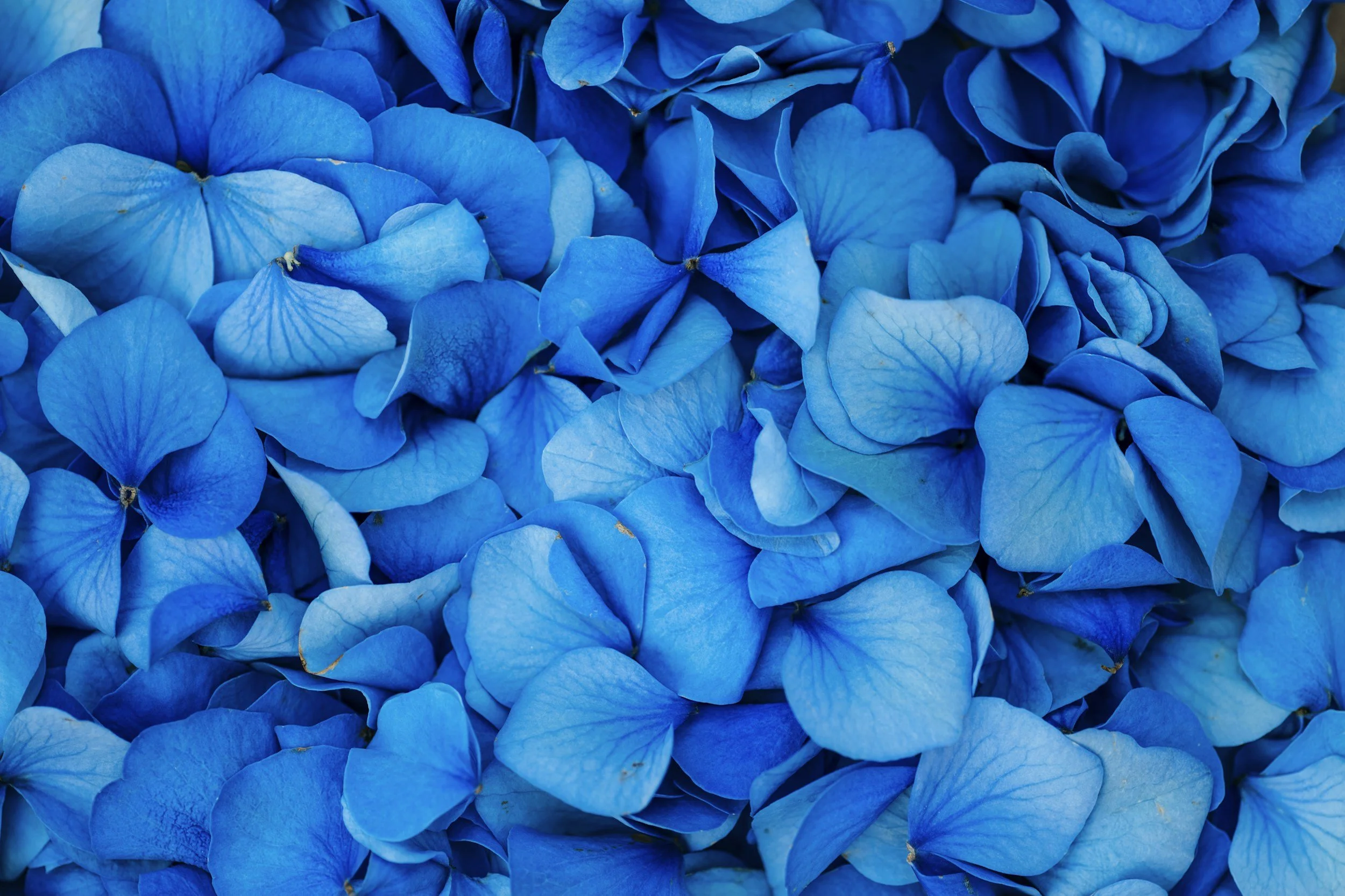
Deep Blues and Cobalt: Blue is the color of cardiac coherence. Visual exposure to these tones reduces blood pressure and slows breathing. In a chaotic professional environment, blue acts as an anchor of authority and serenity. Is this the tone you choose when you need to convey confidence in a difficult negotiation?
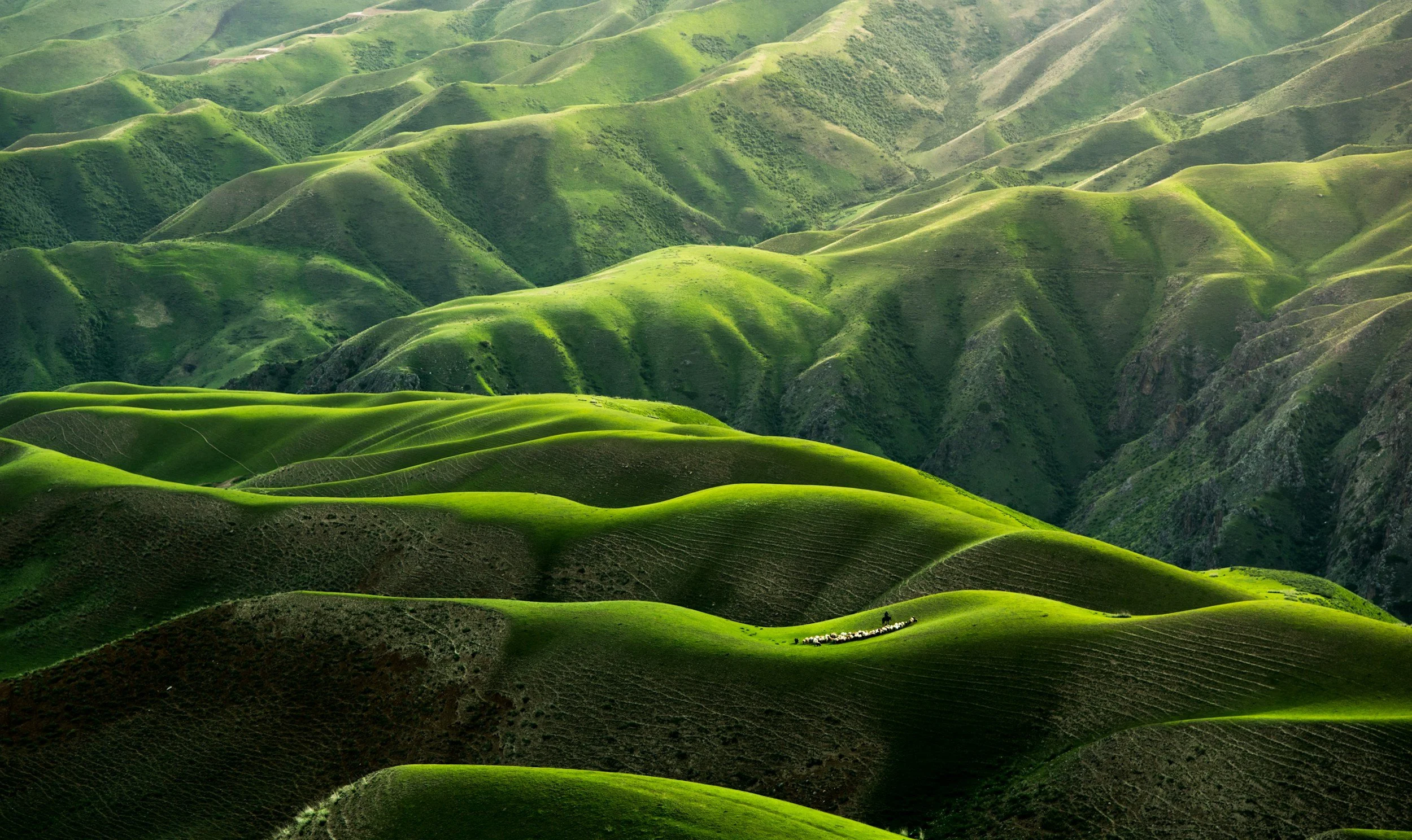
Botanical Greens and Moss: Our biological heritage links green to safety and resource abundance. In neuro-aesthetic terms, green reduces cortisol levels. Wearing green reminds your brain that "you are safe," fostering a state of open creativity and collaboration.
Terracottas and Warm Ochres: These earth tones appeal to our need for grounding. They stimulate a sense of stability and human warmth. They are ideal for moments where empathy and real connection are more important than rigid hierarchy.
Color as a Dopamine Switch
We are experiencing the height of "Dopamine Dressing," a trend that proposes using vibrant colors to stimulate the release of neurotransmitters associated with pleasure and reward. However, in 2026, the key is not stridency, but conscious saturation.
A touch of butter yellow or a burnt orange can be the necessary stimulus to awaken a fatigued mind. Have you noticed how an accessory in an energetic color can act as a "shot" of vitality on a cloudy morning or after a night of poor rest?
How to Edit Your Personal Palette with Intention
As the editor of your own style, the challenge is to align your aesthetics with your biological goals for the day. This isn't about blindly following fashion, but about performing emotional curation:
Identify your need: If your day requires focus and analysis, look for cool and neutral tones that minimize visual distraction.
Create energy contrasts: If you feel overwhelmed, avoid total black, which can deepen the sense of isolation. Introduce a lavender tone to soften the stress response.
Observe your reaction: Color is subjective. Which tones make you feel powerful and which ones drain your energy? Your intuition is the best neuro-aesthetic laboratory.
Your wardrobe is the closest architecture you inhabit. By choosing the colors of your personal season, you are not only deciding how others will see you, but you are also designing the emotional landscape in which your mind will work today.
The next time you open your closet, before thinking about what is "in style," ask yourself: What emotion do I need to cultivate today to lead my life with clarity?