

Circular Beauty: How to Choose Brands That Truly Care for the Environment (and Your Health)
n the beauty industry, the term "natural" has become so omnipresent that it has begun to lose its meaning. For the professional woman who values transparency and efficiency, the current challenge is not just finding products that work, but identifying those that are part of circular beauty. This concept goes beyond recycling; it proposes a system where ingredients, packaging, and production processes are designed to regenerate, leaving no toxic footprint on the planet or our bodies.
Have you ever wondered if the actives you apply to your skin every morning are as clean as their packaging promises, or if you are simply being captivated by clever green marketing (greenwashing)?
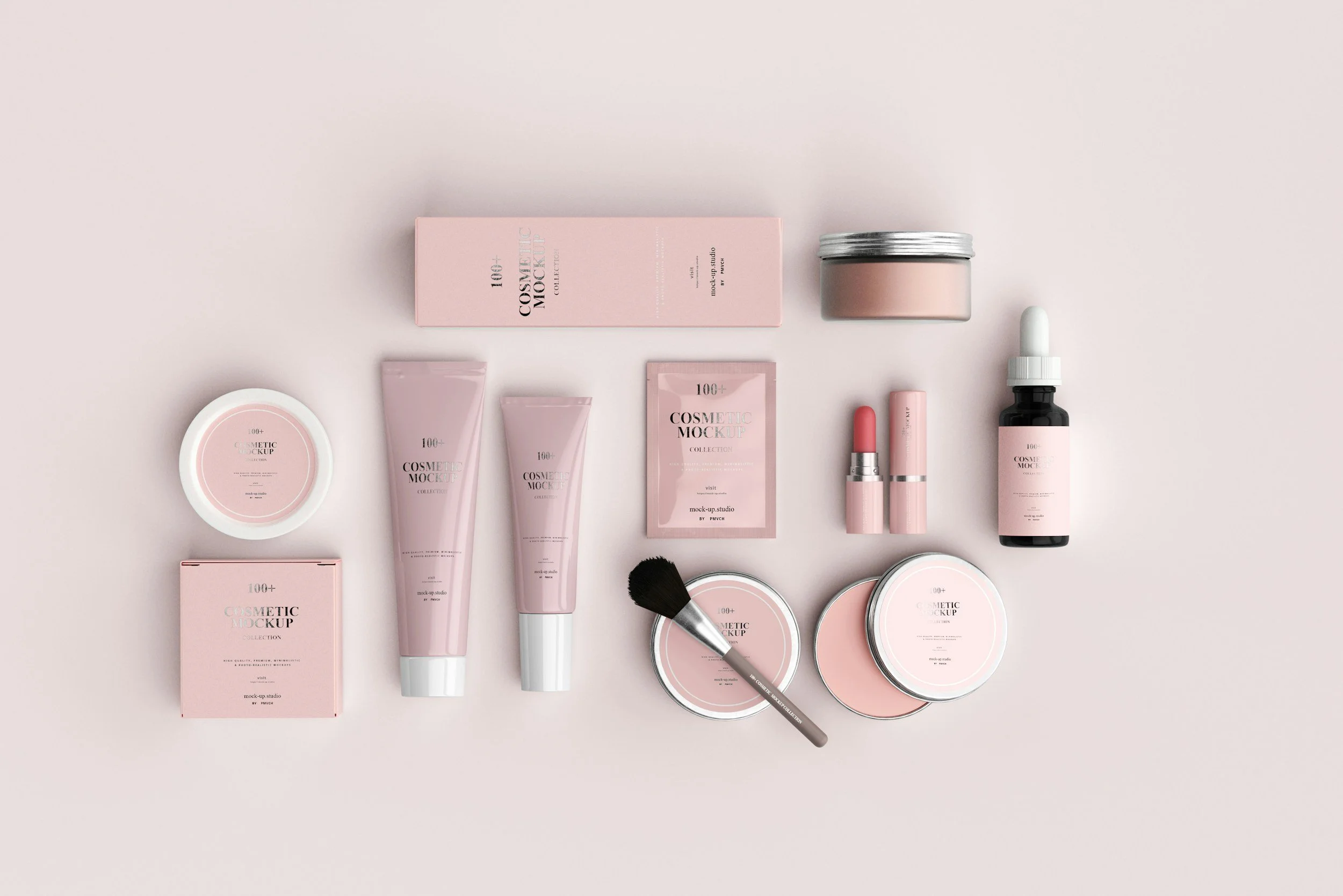
The Language of Transparency: Decoding Labels
As editors of our own health, we must learn to read the "back of the bottle" with the same sharpness we use to review a contract. Circular beauty is based on radical honesty. Here are the keys to identifying brands with a real commitment:
The INCI (International Nomenclature of Cosmetic Ingredients): Ingredients appear in order of concentration. If the botanical extract promised on the label appears at the end of a long list of unpronounceable terms, its effectiveness is minimal. Look for brands that use short, understandable lists.
Backed Certifications: In 2026, seals such as Ecocert, COSMOS, or Leaping Bunny are indicators that an independent third party has audited the supply chain. However, the most powerful certification for circular beauty is B Corp, which guarantees the company meets high standards of social and environmental impact.
The Origin of Actives: Does the brand use "upcycling" ingredients (by-products from other industries, such as grape seeds from the wine industry)? This is the heart of circularity: transforming waste into a luxury active ingredient.
Dermatological Health and Endocrine Disruptors
Caring for the environment is, intrinsically, caring for your health. Many preservatives and synthetic fragrances used in mass-market cosmetics (such as certain parabens or phthalates) are considered endocrine disruptors. These substances can mimic our hormones, interfering with vital processes that eventually manifest as fatigue, skin alterations, and internal imbalances.
Circular beauty bets on green chemistry: biodegradable ingredients that the body recognizes and processes without accumulating toxicity. Have you noticed how your skin responds with a different luminosity when you stop saturating it with petroleum derivatives (petrolatum) and occlusive silicones?
How to Make a Conscious Transition
You don’t need to empty your shelf overnight. Sustainability is also about using what you already have. The shift toward a circular routine is made with clear criteria:
Prioritize the "Refill": Choose brands that offer refillable glass or aluminum containers. Today's luxury is the packaging that isn't thrown away.
Ingredient Sovereignty: Look for local brands that use native flora. Fewer transport miles mean a smaller carbon footprint and fresher active ingredients.
Total Transparency: A circular brand will tell you where the packaging was manufactured and what happens to it after you finish the product. If the information is hard to find, it’s probably not circular.
Ethics as the New Beauty Standard
Choosing brands that care for the environment is an act of personal leadership. It is deciding that our beauty does not have to cost the health of our ecosystems. By investing in circular cosmetics, you are supporting an economy that values life in all its forms—from the farmer harvesting the raw material to the integrity of your own skin barrier.
What is that product you use daily that you would like to investigate today to see if its story is as clean as the results you see in your mirror?