

Skin Barrier on Red Alert: Why You Need Ceramides (Not Just Water) When Temperatures Drop
By the Editorial Team at Musa Magazine
In the middle of January, it’s common to feel like your go-to moisturizer has suddenly stopped working. You apply it in the morning, and just two hours later your skin feels tight, itchy, or starts showing red, irritated patches.
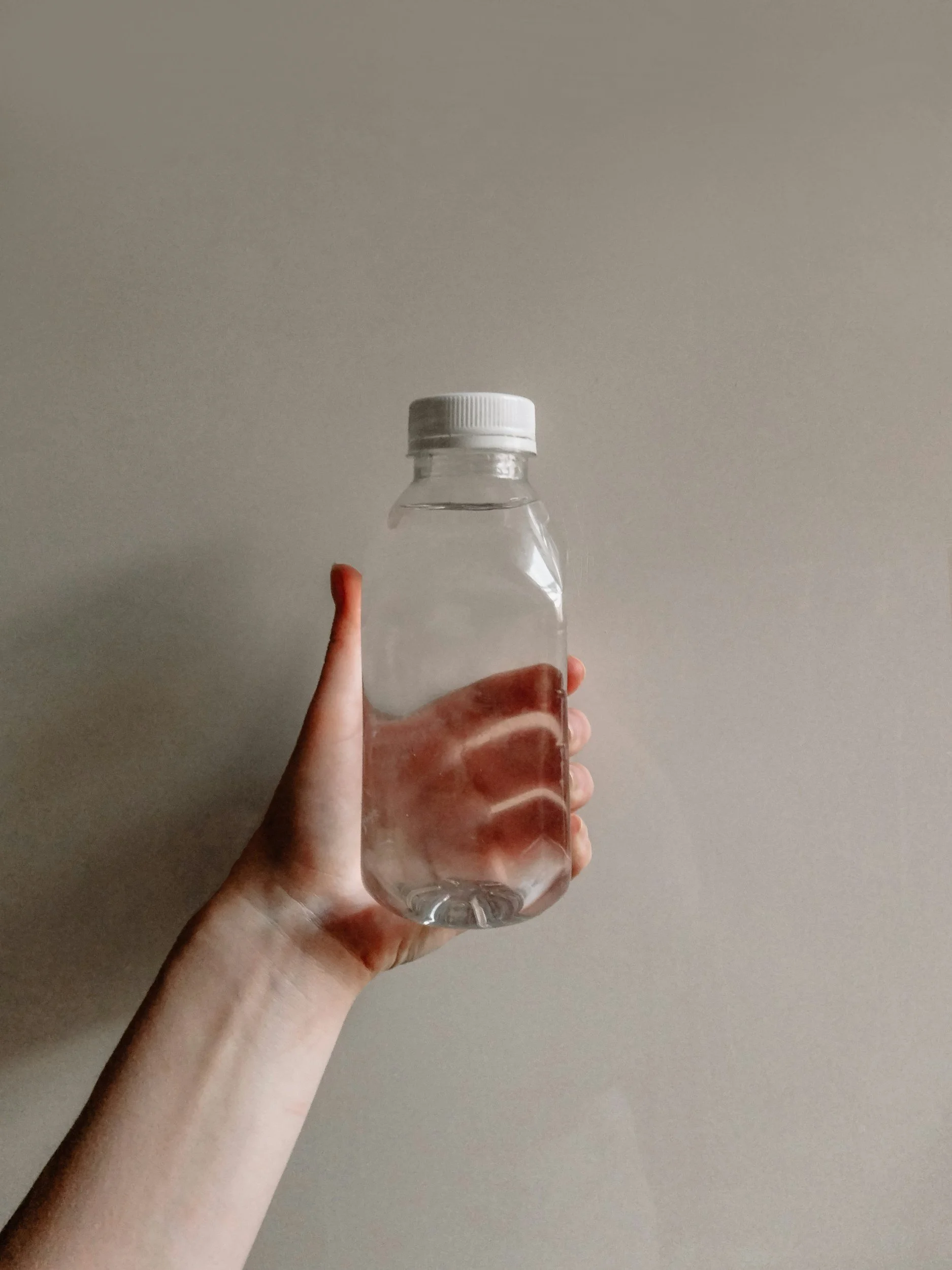
It’s not that your skin is thirsty—
it’s that its roof is broken.
Dry winter air and aggressive indoor heating directly attack the skin barrier. Understanding how this barrier works is the key to stopping the discomfort and finally starting to repair it.
The Brick Wall Analogy
Imagine the outer layer of your skin as a brick wall.
The bricks: your skin cells.
The mortar: lipids (natural fats) that hold those bricks together.
About 50% of that “mortar” is made up of ceramides. When temperatures drop, dry air steals moisture and that mortar dries out and cracks. The result? The bricks loosen. This allows internal moisture to escape (dehydration) and external irritants to get in—causing redness and itching.

Why Water Isn’t Enough
A common mistake is thinking: “My skin is dry, I need to drink more water or use water-based gels.”
Drinking water is essential for your overall health, but it doesn’t repair the wall. Pouring water onto a cracked wall doesn’t seal it—the water simply evaporates again.
To fix the wall, you need more mortar.
You need good fats.
Ceramides: The Magic Glue
This is where ceramides come into your skincare routine. They’re not a fleeting trend—they’re identical to the lipids your skin naturally produces (and gradually stops producing as we age).
When you apply a ceramide-rich cream, you’re literally filling in the gaps between your skin cells.
They restore the barrier: sealing the wall so moisture can’t escape.
They calm instantly: once the cracks are closed, itching and irritation ease.
What to Look for at the Store
For a few months, forget lightweight lotions and clear gels. In winter, texture matters.
Look for the word “Ceramides”: Many affordable drugstore brands base their formulas on this ingredient.
A rich, dense texture: Opt for creams in jars or thick tubes. If you turn the container upside down and the product doesn’t move, that’s a good sign. That density acts as a protective shield against dry air and heating.
Having dry skin in winter isn’t inevitable. If your face feels like it’s on red alert, don’t give it just water. Give it the bricks and mortar it needs to rebuild. With ceramides, your skin can become strong, smooth, and protected again.